Blog sobre salud vascular

13 de febrero de 2026
Hemorrhoids are extremely common, yet many people don’t realize that everyday habits play a major role in both their development and recurrence. While not all hemorrhoids can be prevented, certain lifestyle adjustments can significantly reduce your risk and help minimize uncomfortable flare-ups. Understanding these preventative strategies is especially important for patients who experience recurring symptoms. Why Hemorrhoids Develop Hemorrhoids form when pressure increases in the veins of the lower rectum. Over time, this pressure can cause veins to swell, stretch, and become irritated. Several factors contribute to this process, including: Straining during bowel movements Chronic constipation Prolonged sitting Low-fiber diets Pregnancy Aging-related vein changes Although hemorrhoids are a vascular condition, many triggers are manageable. Increase Fiber Intake One of the most effective ways to prevent hemorrhoids is to improve stool consistency. Fiber helps soften stool and promotes regular bowel movements, reducing the need for straining. Helpful sources of dietary fiber include: Fruits and vegetables Whole grains Legumes Fiber supplements when needed A gradual increase is recommended to avoid digestive discomfort. Stay Properly Hydrated Fiber works best when combined with adequate fluid intake. Dehydration can contribute to harder stools, increasing pressure on rectal veins. Consistent hydration helps: Maintain softer stool Improve digestive efficiency Reduce constipation risk Avoid Straining During Bowel Movements Straining is one of the most significant contributors to hemorrhoid formation. Excessive pressure directly stresses the rectal veins. Healthier habits include: Responding promptly to the urge to go Avoiding prolonged sitting on the toilet Allowing bowel movements to occur naturally Limit Prolonged Sitting Extended sitting — particularly on hard surfaces — increases pressure in the rectal region. This is especially relevant for individuals with sedentary occupations. Helpful strategies: Take standing or walking breaks Adjust seating ergonomics Reduce unnecessary toilet time Maintain Healthy Bowel Habits Irregular bowel patterns often increase hemorrhoid risk. Supporting digestive regularity reduces vascular strain. Supportive practices include: Consistent meal schedules Physical activity Fiber-rich nutrition Reduce Flare-Up Triggers For patients prone to recurrent hemorrhoids, symptom triggers may include: Heavy lifting Chronic coughing Constipation cycles Pregnancy-related pressure Identifying and managing triggers can help prevent symptom escalation. When Prevention Isn’t Enough While lifestyle modifications are highly effective for many patients, they do not eliminate existing hemorrhoids or advanced vascular changes. Medical evaluation may be appropriate if you experience: Persistent bleeding Ongoing discomfort Recurring flare-ups Painful swelling Hemorrhoids that do not respond to conservative care often benefit from minimally invasive treatments. A Preventative Approach to Long-Term Relief Hemorrhoid prevention is largely about reducing pressure and supporting healthy circulation. Small daily adjustments can produce meaningful improvements, particularly for patients with early or mild symptoms. For individuals with chronic or worsening hemorrhoids, specialized care can address the underlying vascular cause and provide lasting relief.
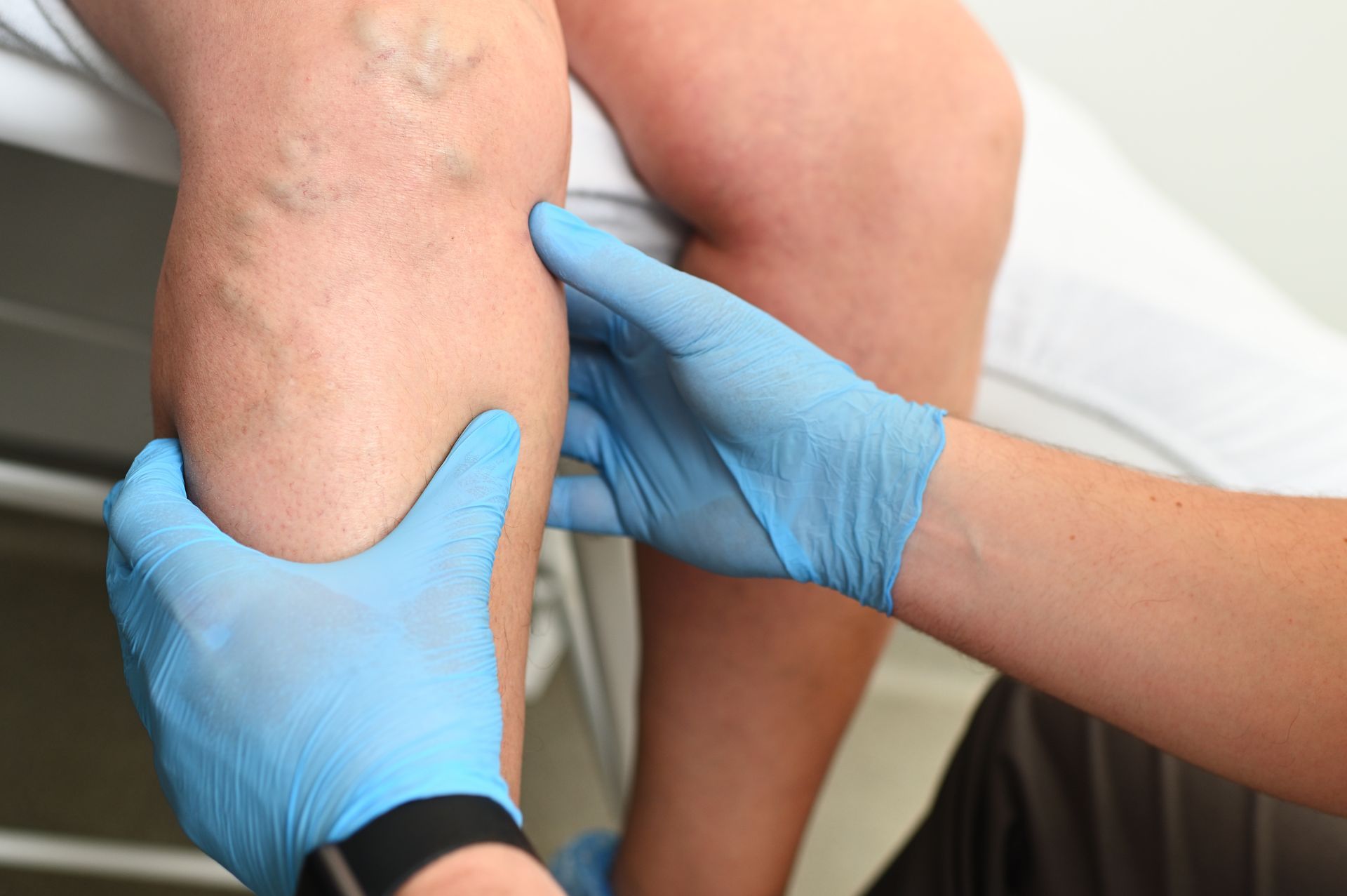
Leg being examined for varicose veins by a person wearing blue gloves.
22 de enero de 2026
Learn the signs, causes, and treatment options for Peripheral Artery Disease (PAD). Early diagnosis helps prevent serious vascular complications.

Woman holding her leg, showing visible blue varicose veins. Red nail polish.
22 de noviembre de 2025
Explore minimally invasive vascular treatments at California Vascular Health. Learn procedures, benefits, and what to expect for safer, effective care.
Man's legs and feet in blue running shoes on a paved surface.
24 de octubre de 2025
Explore how diet and exercise can directly effect vascular health, including best exercises, foods to avoid, and lifestyle tips for long-term vascular health.
Woman's legs; Enlarged circles show healthy and unhealthy veins. Beige background.
25 de septiembre de 2025
Learn how to maintain healthy veins and arteries with expert tips from California Vascular Health Specialists: exercise, diet, lifestyle, and vascular checkups.
25 de noviembre de 2024
Vascular diseases, which affect the veins and arteries circulating blood throughout your body, can lead to serious health complications if left untreated. Conditions like Peripheral Artery Disease (PAD), deep vein thrombosis (DVT), aneurysms, and varicose veins can progress silently, causing damage that may go unnoticed until advanced stages. Early detection is the key to preventing severe outcomes and improving quality of life. Why Early Detection Matters Preventing Life-Threatening Complications: Vascular diseases can lead to serious complications such as strokes, heart attacks, and limb amputations. Detecting these conditions early allows timely interventions to prevent these potentially life-threatening outcomes. Slowing Disease Progression: Conditions like atherosclerosis, which involves plaque buildup in the arteries, worsen over time. Early detection can help slow the progression of the disease through lifestyle changes, medications, and minimally invasive treatments. Avoiding Emergency Situations: Many vascular conditions, like aneurysms or blood clots, may not present symptoms until a critical event occurs. Early screening can identify risks and allow for preventive measures, avoiding emergencies that require urgent care. Improving Treatment Success Rates: The earlier a vascular condition is diagnosed, the more effective treatment tends to be. For example, minimally invasive procedures for PAD or varicose veins are most successful when performed before the condition reaches advanced stages. Enhancing Quality of Life: Untreated vascular diseases can cause chronic pain, mobility issues, and fatigue. Early detection and treatment can alleviate symptoms and help you maintain an active, healthy lifestyle. Common Vascular Diseases That Benefit from Early Detection Peripheral Artery Disease (PAD): Early symptoms like leg pain when walking or non-healing sores can indicate PAD, which can be managed effectively when caught early. Aneurysms: Abnormal bulging of an artery, often detected through imaging tests, can be treated before rupture. Deep Vein Thrombosis (DVT): Early diagnosis of blood clots in deep veins can prevent serious complications, such as pulmonary embolism. Varicose Veins and Chronic Venous Insufficiency: Detecting and addressing vein issues early can prevent further complications, such as ulcers or skin damage. Carotid Artery Disease: Early detection of plaque buildup in the carotid arteries can reduce the risk of strokes. How to Detect Vascular Diseases Early Routine Check-Ups: Regular visits to your healthcare provider can help identify early signs of vascular diseases. Discuss any symptoms you’re experiencing, such as leg pain, swelling, or changes in skin color. Screenings and Diagnostic Tests: Vascular screenings, such as ultrasound or angiography, are non-invasive ways to detect issues like blockages, narrowing, or aneurysms. These tests are especially important for individuals with risk factors such as smoking, diabetes, or a family history of vascular disease. Pay Attention to Symptoms: Recognizing and acting on early warning signs is crucial. Symptoms to watch for include: Leg pain, especially during physical activity Swelling in the legs or ankles Non-healing sores or ulcers Numbness or coldness in the extremities Visible, twisted veins (varicose veins) Know Your Risk Factors: Understanding your personal risk factors can help you take proactive steps. Common risk factors for vascular diseases include: Smoking Diabetes High blood pressure High cholesterol Obesity A sedentary lifestyle Family history of vascular conditions Steps to Protect Your Vascular Health Adopt a Healthy Lifestyle: A diet rich in fruits, vegetables, whole grains, and lean proteins, combined with regular exercise, can improve circulation and reduce vascular risks. Quit Smoking: Smoking is a significant contributor to vascular disease. Quitting can significantly lower your risk. Manage Chronic Conditions: Controlling diabetes, high blood pressure, and high cholesterol can prevent vascular complications. Seek Regular Screenings: If you have risk factors or symptoms, don’t wait—schedule a vascular screening to ensure early detection. The Role of California Vascular Health Specialists At California Vascular Health Specialists, we are dedicated to helping patients detect and manage vascular diseases early. Our advanced diagnostic tools and minimally invasive treatments allow us to address conditions effectively before they progress. Whether you’re seeking routine screening, symptom evaluation, or treatment, our team is here to provide personalized care tailored to your needs.
17 de octubre de 2024
A reliable vascular access point is essential for patients undergoing dialysis. Traditionally, arteriovenous fistulas (AVFs) have been surgically created to connect an artery to a vein, allowing for efficient blood flow during dialysis. While these surgical fistulas are effective, they often have visible scars and longer recovery times. However, advancements in medical technology have introduced a less invasive option: the percutaneous arteriovenous fistula (pAVF). This modern technique not only offers functional benefits but also provides improved cosmetic outcomes. What is a Percutaneous Arteriovenous Fistula (pAVF)? A percutaneous arteriovenous fistula is a minimally invasive procedure that creates an AVF without traditional open surgery. Instead of making large incisions, a pAVF is created using catheters and image guidance. This approach involves inserting a small needle into the vein and artery, typically in the arm, and using a specialized device to connect the two blood vessels. This technique is often performed in an outpatient setting and offers numerous advantages, especially compared to the traditional surgical method. Improved Cosmetic Appearance One of the most significant advantages of a percutaneous arteriovenous fistula is the improved cosmetic result. There is minimal scarring since pAVF procedures require only small punctures rather than large incisions. Here’s how pAVF enhances cosmetic outcomes: Smaller Scars: Traditional AVFs are created through open surgery, which involves making a visible incision on the arm. This can result in noticeable scarring that many patients find unsightly. With pAVF, the punctures made during the procedure are much smaller, leaving little to no visible scarring after healing. Reduced Swelling: pAVF's less invasive nature leads to less trauma to the surrounding tissue. As a result, patients experience reduced swelling and bruising compared to surgical AVF creation. This can significantly improve the arm's appearance in the days and weeks following the procedure. Aesthetic Symmetry: Since pAVF procedures use smaller incisions and do not require extensive cutting or manipulation of the skin, the overall aesthetic appearance of the arm is more symmetrical and natural. This can be a significant benefit for patients concerned about visible changes to their appearance. Faster Recovery and Lower Complication Rates Beyond the cosmetic benefits, pAVFs offer additional advantages when it comes to recovery and complications: Quicker Recovery Time: Because pAVFs are less invasive, patients typically experience faster recovery times than traditional surgical fistulas. Many patients can return to normal activities sooner, and there is less postoperative discomfort. Lower Risk of Infection: The smaller incisions made during pAVF procedures reduce the risk of infection, a common concern with surgical procedures. Fewer complications mean a smoother healing process and less need for follow-up care. Reduced Risk of Surgical Complications: Traditional AVF surgery carries risks such as excessive bleeding, nerve damage, or wound infections. The minimally invasive nature of pAVFs significantly reduces these risks, offering a safer option for patients. Functional and Long-Term Benefits While the cosmetic and recovery benefits of pAVF are important, it’s crucial to note that pAVFs provide the same functionality as surgically created fistulas. Both types of fistulas allow for efficient and reliable access for dialysis treatments, ensuring that the blood flow required for dialysis is uninterrupted. Studies have shown that pAVFs have similar long-term durability and success rates to traditional AVFs, making them a viable alternative for many patients. Who is a Candidate for a Percutaneous Arteriovenous Fistula? Not all patients are candidates for pAVF, but this option is ideal for those who prefer a less invasive procedure and seek a more cosmetically pleasing result. The decision to pursue a pAVF is made after thoroughly evaluating the patient’s vascular health and overall medical condition. Your vascular specialist will consider factors such as the size and health of your blood vessels, previous dialysis access, and your specific medical needs. Conclusion For dialysis patients seeking a reliable vascular access option with improved cosmetic outcomes, percutaneous arteriovenous fistulas (pAVFs) offer a modern and less invasive solution. With smaller incisions, reduced scarring, and faster recovery times, pAVFs are an excellent option for those looking to balance the functional needs of dialysis with the desire for a more aesthetically pleasing result. At California Vascular Health Specialists, we are committed to providing the latest in minimally invasive vascular care. If you are considering dialysis access options, contact us today to learn whether a percutaneous arteriovenous fistula is right for you. Let us help you find the best solution for your dialysis needs while ensuring your comfort and satisfaction with your vascular health.
por Devin Zarkowsky 14 de octubre de 2024
End Stage Renal Disease Vascular Access Options
por Devin Zarkowsky 10 de octubre de 2024
Vascular surgeons work hard to keep limbs on bodies. Often, folks with diabetes, kidney disease, high blood pressure, or a history of smoking present to us with diminished or absent blood flow to their feet, causing pain in or even wounds on their feet...
por Devin Zarkowsky 26 de septiembre de 2024
When asked by the surgery department chair as a medical student why I wanted to treat vascular patients, my response was to be useful, useful to people with a challenging systemic disease that often results in stroke, amputation, and death. Often, wounds that haven’t healed for months on a foot or a hand, or persistent leg pain provoked by walking or simply laying in bed are subtle indicators that Peripheral Arterial Disease (PAD), a vascular health challenge affecting many in our community, is present...
Más entradas