Peripheral Artery Disease (PAD) Explained: Symptoms, Causes, Risks, and Treatment
Peripheral Artery Disease (PAD) is a common circulatory condition that reduces blood flow to the legs and feet. While it often starts quietly, PAD is a progressive disease that can lead to serious complications if left untreated. Early recognition and proper vascular care are critical to protecting mobility and overall health.
What Is PAD?
PAD occurs when arteries supplying blood to the lower extremities become narrowed or blocked due to plaque buildup, known as atherosclerosis. As circulation decreases, leg muscles and tissues receive less oxygen—especially during activity.
It is closely linked to heart disease and stroke and often signals widespread vascular disease throughout the body.
Key Symptoms to Watch For
The most common PAD symptom is claudication, or leg pain and cramping that occurs while walking and improves with rest. Other symptoms may include:
- Leg fatigue or heaviness
- Pain in the calves, thighs, hips, or buttocks
- Coldness or numbness in the feet
- Slow-healing foot wounds or ulcers
- Weak or absent pulses in the legs
In advanced cases, PAD can progress to chronic limb-threatening ischemia (CLTI), which involves persistent pain, tissue damage, or non-healing wounds and requires urgent vascular care.
What Causes PAD?
PAD is primarily caused by atherosclerosis. Risk factors include smoking, diabetes, high blood pressure or cholesterol, age over 50, family history of vascular disease. Patients with diabetes face a higher risk of severe PAD complications, including foot ulcers and limb loss.
Why PAD Is Serious
Many people dismiss early symptoms as normal aging or muscle strain. Others reduce activity to avoid discomfort, masking the problem. As a result, PAD is frequently diagnosed only after wounds develop or mobility declines.
Without treatment, PAD can lead to:
- Increased risk of heart attack and stroke
- Chronic pain and reduced mobility
- Non-healing foot wounds
- Infection and limb amputation
Early diagnosis dramatically improves outcomes.
How PAD Is Diagnosed & Treatment Options
Vascular specialists diagnose PAD using tools such as:
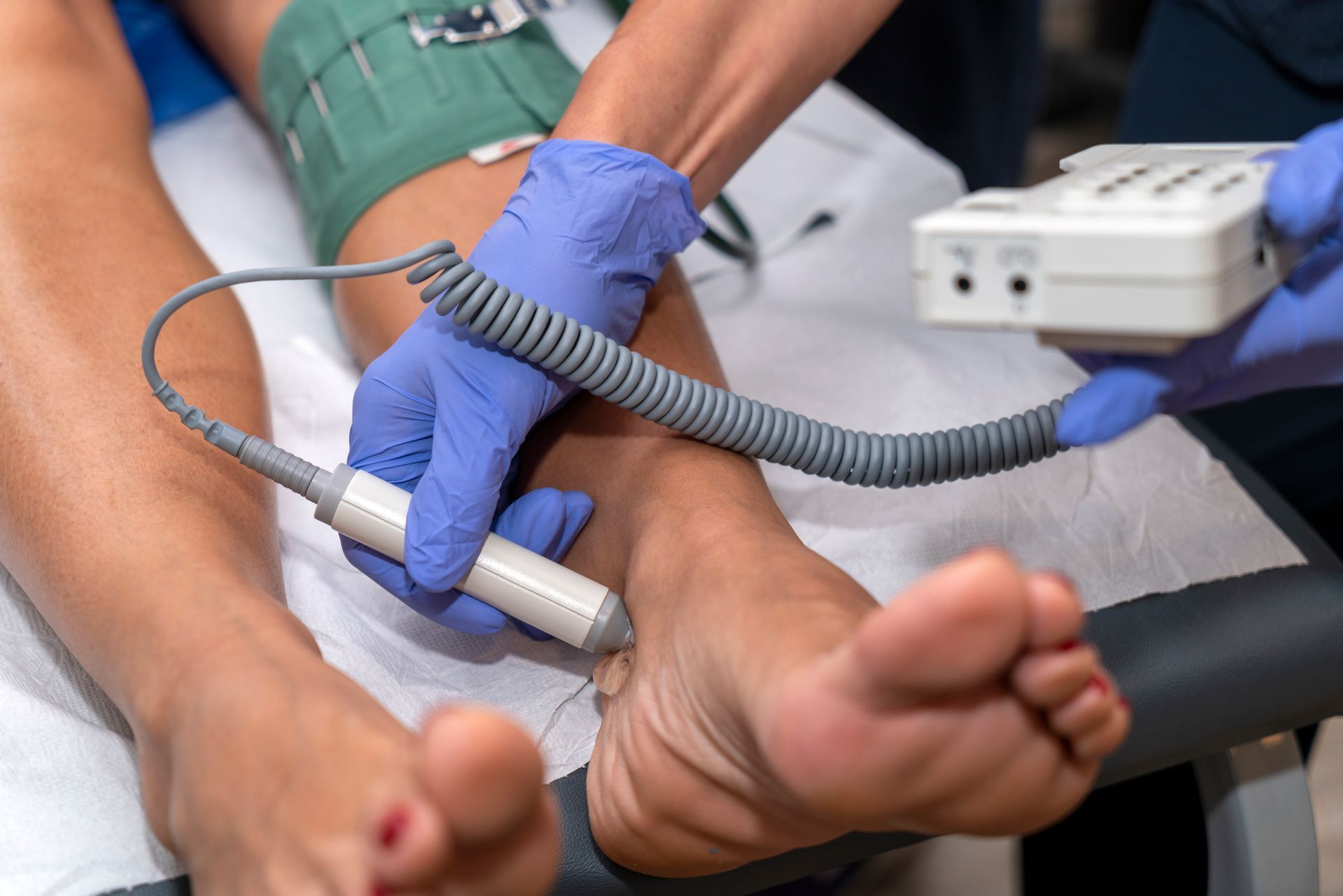
- Ankle-Brachial Index (ABI) testing
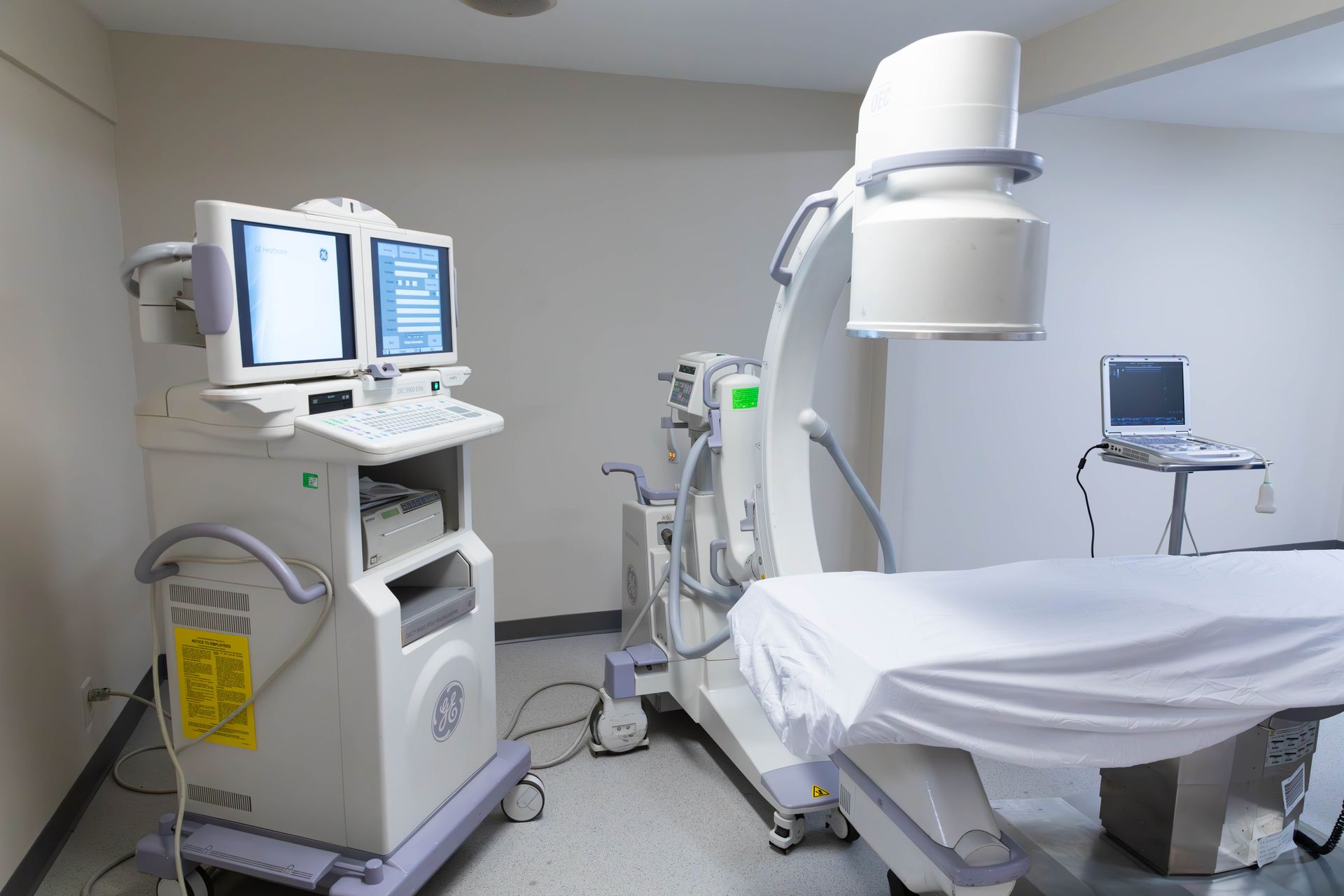
- Ultrasound imaging
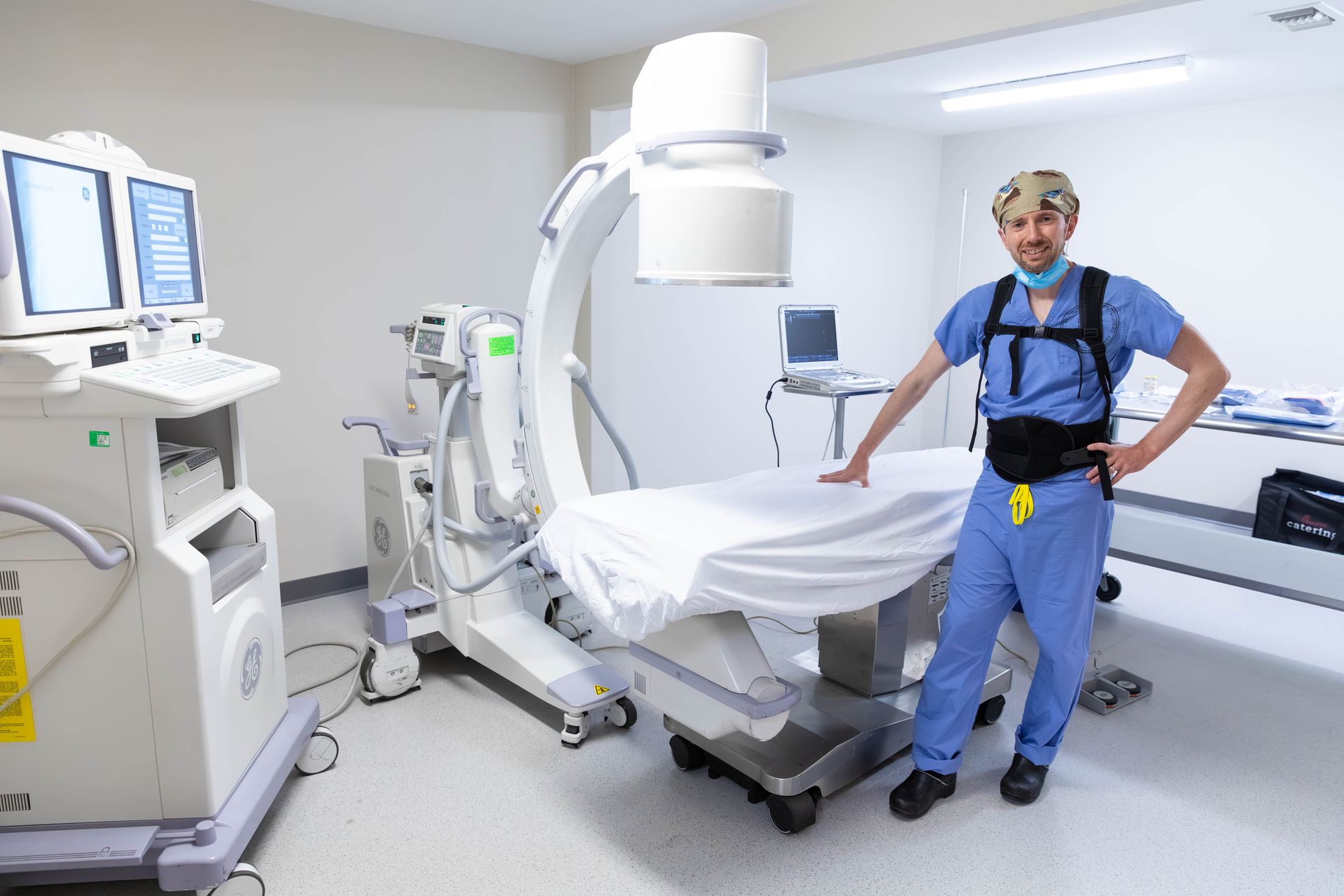
- Advanced vascular imaging when needed
These tests determine blood flow levels and guide treatment planning. Treatment depends on disease severity and patient health.
- Early-stage PAD may be managed with lifestyle changes and medication to improve circulation and reduce risk factors.
- Moderate to advanced PAD may require minimally invasive procedures such as angioplasty or stent placement to restore blood flow.
- Severe PAD or CLTI requires specialized vascular intervention to prevent limb loss.
When to Seek Vascular Care
If you experience leg pain while walking, numbness, or foot wounds that do not heal, it may be time to see a vascular specialist.
California Vascular Health Specialists provides comprehensive PAD evaluation and advanced treatment options focused on restoring circulation, relieving symptoms, and protecting long-term limb health.