The Impact of Stress on Vascular Health and How to Manage It

September 20, 2024

Stress is a common part of modern life, and while occasional stress is normal, chronic stress can significantly affect your physical health. One area that is particularly vulnerable to the adverse effects of stress is your vascular system. Prolonged stress can contribute to the development of vascular diseases, including high blood pressure, heart disease, and conditions affecting the veins and arteries.


How Does Stress Affect Vascular Health?

When you experience stress, your body releases hormones like adrenaline and cortisol. These hormones trigger a "fight or flight" response, increasing your heart rate and narrowing your blood vessels to redirect blood flow to vital organs. While this response is helpful in short-term, high-stress situations, chronic stress causes your body to remain in this heightened state for extended periods, leading to several adverse effects on your vascular health.

  1. High Blood Pressure (Hypertension): Chronic stress can cause your blood vessels to remain constricted, leading to high blood pressure. Over time, high blood pressure weakens the blood vessel walls, increasing your risk of developing arterial diseases, aneurysms, and even stroke.
  2. Increased Risk of Atherosclerosis: Stress can contribute to plaque buildup in the arteries, known as atherosclerosis. This narrowing of the arteries restricts blood flow, increasing the likelihood of conditions like Peripheral Artery Disease (PAD) and heart attacks.
  3. Inflammation: Stress-induced inflammation can damage the inner lining of your blood vessels, leading to chronic venous insufficiency and varicose veins.
  4. Clot Formation: Stress increases the levels of clotting factors in your blood, elevating the risk of developing blood clots in the veins (Deep Vein Thrombosis) or arteries.
  5. Poor Circulation: Chronic stress can affect circulation, leading to symptoms such as cold extremities, leg pain, and fatigue.


Signs That Stress May Be Affecting Your Vascular Health

If you’re experiencing any of the following symptoms, it could be an indication that stress is impacting your vascular health:

  • Persistent high blood pressure
  • Frequent headaches or migraines
  • Chest pain or tightness
  • Shortness of breath
  • Leg pain or cramping, especially during physical activity
  • Cold or numb extremities
  • Visible varicose veins or swelling in the legs

If these symptoms sound familiar, it’s essential to consult with a healthcare professional to evaluate your vascular health and develop a plan to manage stress more effectively.


How to Manage Stress and Protect Your Vascular Health

Managing stress is key to maintaining a healthy vascular system. Here are several strategies you can implement to reduce stress and protect your vascular health:


1. Exercise Regularly

Physical activity is one of the most effective ways to reduce stress and improve vascular health. Exercise stimulates the production of endorphins, which are natural mood elevators. It also helps improve circulation, lower blood pressure, and strengthen the cardiovascular system. On most days of the week, aim for at least 30 minutes of moderate exercise, such as walking, swimming, or cycling.


2. Practice Mindfulness and Relaxation Techniques

Mindfulness practices such as meditation, deep breathing, and yoga can help calm your mind and reduce the physical effects of stress on your body. These techniques lower your heart rate and blood pressure, promoting relaxation and better circulation. Incorporating just 10-15 minutes of mindfulness into your daily routine can significantly reduce stress levels.


3. Maintain a Healthy Diet

What you eat can play a role in both stress management and vascular health. A diet rich in fruits, vegetables, whole grains, lean proteins, and healthy fats can help reduce inflammation, lower cholesterol levels, and improve blood flow. Limit your intake of processed foods, salt, and sugar, as these can contribute to high blood pressure and vascular problems.


4. Get Enough Sleep

Lack of sleep can exacerbate stress and negatively impact your vascular health. Aim for 7-8 hours of quality sleep each night to allow your body to recover and regenerate. Establish a relaxing bedtime routine to help you unwind and improve your sleep quality.


5. Stay Socially Connected

Maintaining healthy relationships and staying connected with friends and family can provide emotional support during stressful times. Socializing can help reduce feelings of isolation and anxiety, lowering stress levels and improving overall well-being.


6. Manage Your Time Effectively

Poor time management can lead to feelings of stress and overwhelm. By prioritizing tasks, breaking them down into manageable steps, and giving yourself time to relax, you can reduce the pressure you feel in your daily life. Saying no to unnecessary commitments is another valuable tool in managing stress.


7. Seek Professional Help When Needed

If stress is overwhelming or affecting your health, don’t hesitate to seek help from a healthcare professional or counselor. They can provide you with strategies to manage stress and offer support tailored to your specific needs.


Conclusion

While stress is a normal part of life, it can have lasting negative effects on vascular health if not managed properly. Understanding how stress impacts your veins and arteries and taking proactive steps to reduce stress can protect your vascular system and improve your overall well-being.


At California Vascular Health Specialists, we’re here to help you manage the effects of stress on your vascular health. If you’re concerned about your vascular condition or want to learn more about how stress affects your health, contact us today to schedule an appointment. We offer comprehensive vascular care to help you live a healthier, more vibrant life.

July 1, 2026
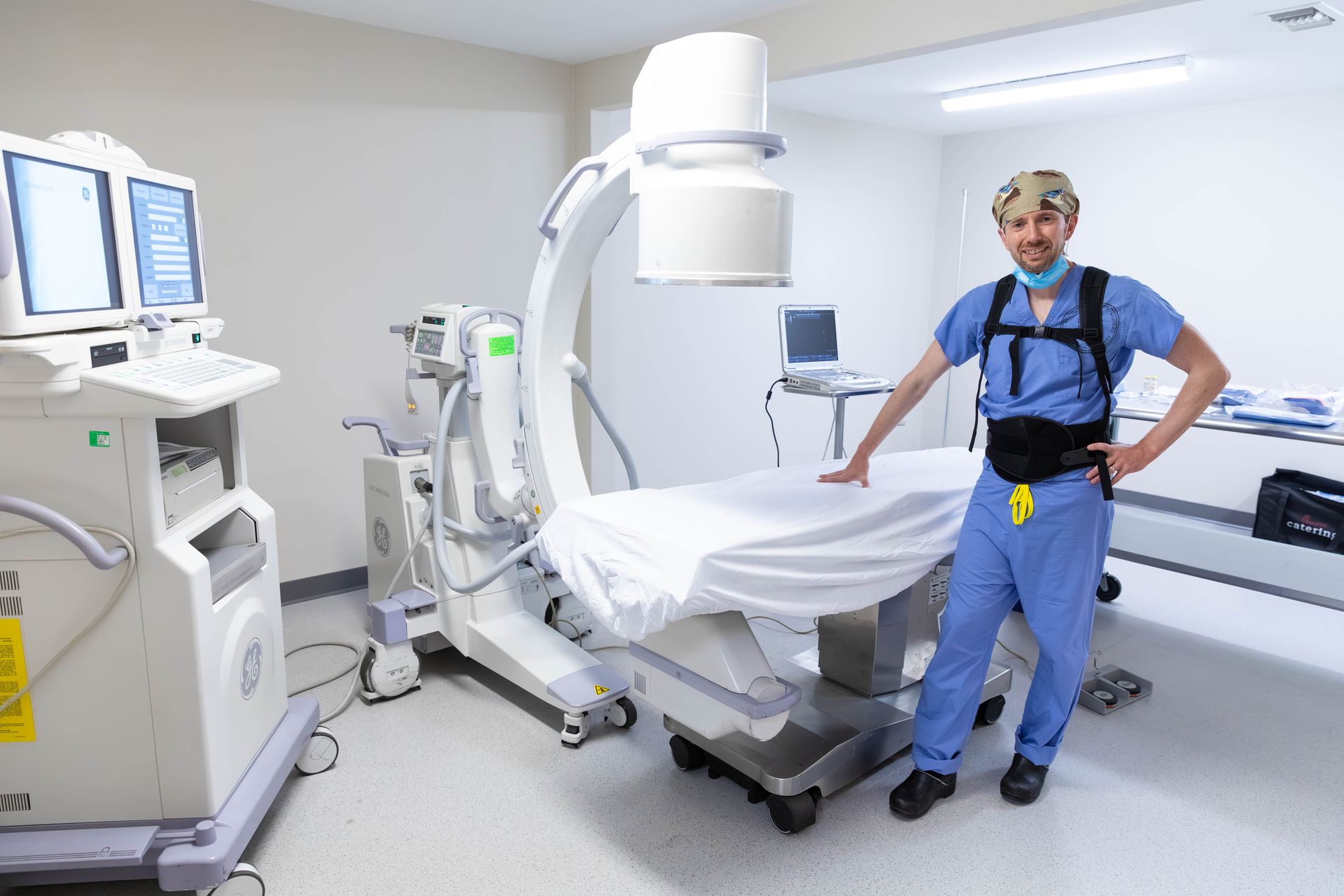
A patient with a dying leg won't drive 20 miles for care. In Devin Zarkowsky's town, that's not a hypothetical. Vascular surgeon Devin Zarkowsky runs a solo office-based practice in a San Diego County town where peripheral arterial disease patients had nowhere local to go, and Jason McKittrick is the executive director of the Office-Based Facility Association. They discuss the KevinMD article "Why local care matters for peripheral arterial disease." You will hear how the Medicare physician fee schedule pays hospitals for big-ticket equipment but pays solo doctors out of the same bundled rate they use to cover staff and wire and drapes, why a four-figure atherectomy or Shockwave catheter swallows a week of revenue when there is no separate reimbursement, and why Congress is finally looking at fixing it after years of small fixes that did not close the gap. You will hear what local care actually means when a patient cannot drive and the limb cannot wait.
Doctor standing beside a medical imaging scanner in a hospital room
June 28, 2026
Learn how hemorrhoid embolization treats hemorrhoids without the risk of post-operative fecal incontinence associated with traditional hemorrhoid surgery.
Doctor holding a human anatomy model and a blister pack of pills
May 30, 2026
Learn which doctors treat hemorrhoids, including primary care physicians, gastroenterologists, colorectal surgeons, and specialists offering hemorrhoid embolization.
Person working on a laptop at a wooden table in a bright home office by a window.
April 27, 2026
Learn how office workers can improve vascular health with simple daily habits to boost circulation, prevent vein issues, and stay healthy at work.
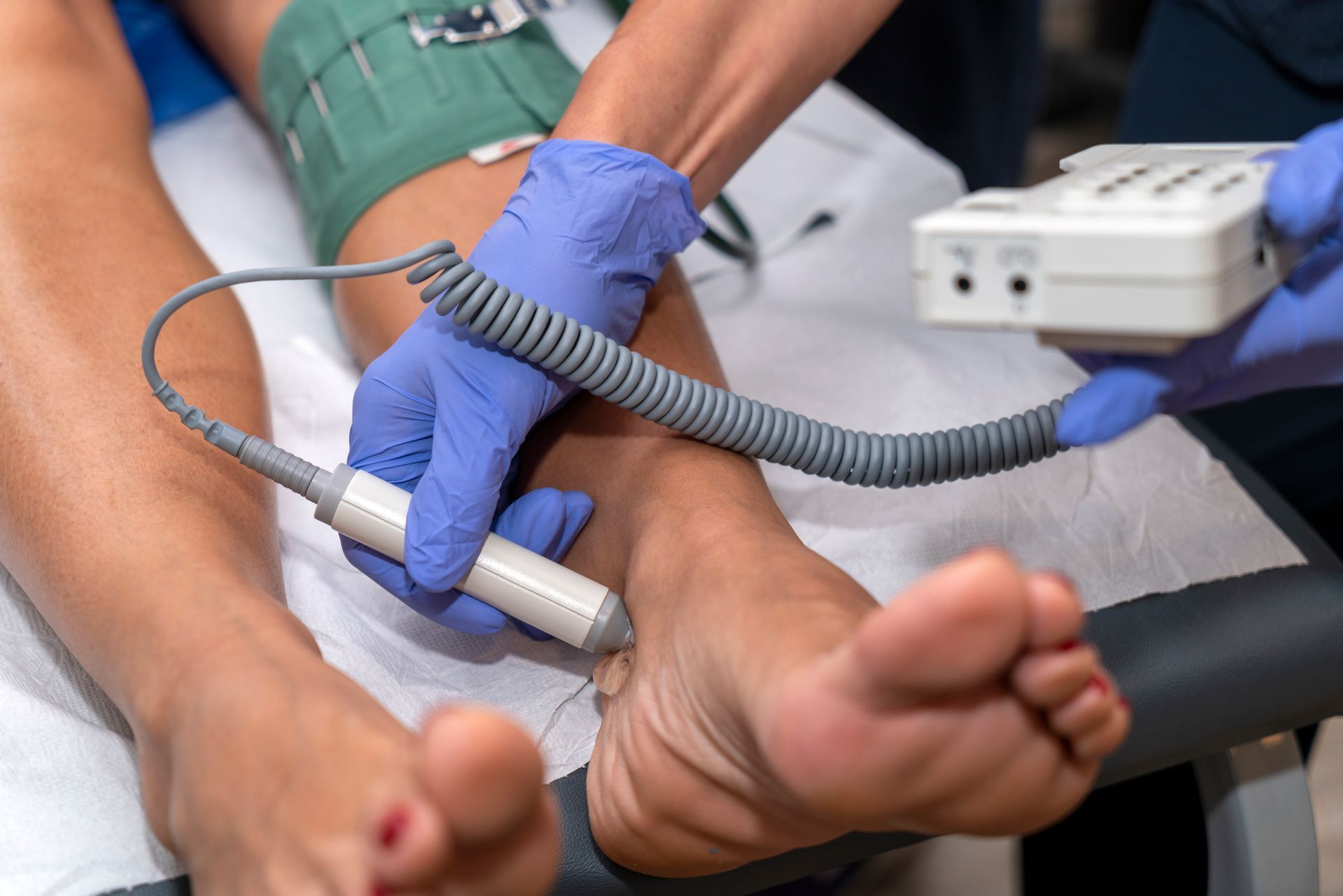
A healthcare provider in blue gloves uses a handheld Doppler ultrasound device to check the pulse on a patient’s ankle.
March 30, 2026
Learn the signs, causes, and treatment options for chronic venous insufficiency (CVI) and how expert care can relieve leg pain and swelling.
February 13, 2026
Hemorrhoids are extremely common, yet many people don’t realize that everyday habits play a major role in both their development and recurrence. While not all hemorrhoids can be prevented, certain lifestyle adjustments can significantly reduce your risk and help minimize uncomfortable flare-ups. Understanding these preventative strategies is especially important for patients who experience recurring symptoms. Why Hemorrhoids Develop Hemorrhoids form when pressure increases in the veins of the lower rectum. Over time, this pressure can cause veins to swell, stretch, and become irritated. Several factors contribute to this process, including: Straining during bowel movements Chronic constipation Prolonged sitting Low-fiber diets Pregnancy Aging-related vein changes Although hemorrhoids are a vascular condition, many triggers are manageable. Increase Fiber Intake One of the most effective ways to prevent hemorrhoids is to improve stool consistency. Fiber helps soften stool and promotes regular bowel movements, reducing the need for straining. Helpful sources of dietary fiber include: Fruits and vegetables Whole grains Legumes Fiber supplements when needed A gradual increase is recommended to avoid digestive discomfort. Stay Properly Hydrated Fiber works best when combined with adequate fluid intake. Dehydration can contribute to harder stools, increasing pressure on rectal veins. Consistent hydration helps: Maintain softer stool Improve digestive efficiency Reduce constipation risk Avoid Straining During Bowel Movements Straining is one of the most significant contributors to hemorrhoid formation. Excessive pressure directly stresses the rectal veins. Healthier habits include: Responding promptly to the urge to go Avoiding prolonged sitting on the toilet Allowing bowel movements to occur naturally Limit Prolonged Sitting Extended sitting — particularly on hard surfaces — increases pressure in the rectal region. This is especially relevant for individuals with sedentary occupations. Helpful strategies: Take standing or walking breaks Adjust seating ergonomics Reduce unnecessary toilet time Maintain Healthy Bowel Habits Irregular bowel patterns often increase hemorrhoid risk. Supporting digestive regularity reduces vascular strain. Supportive practices include: Consistent meal schedules Physical activity Fiber-rich nutrition Reduce Flare-Up Triggers For patients prone to recurrent hemorrhoids, symptom triggers may include: Heavy lifting Chronic coughing Constipation cycles Pregnancy-related pressure Identifying and managing triggers can help prevent symptom escalation. When Prevention Isn’t Enough While lifestyle modifications are highly effective for many patients, they do not eliminate existing hemorrhoids or advanced vascular changes. Medical evaluation may be appropriate if you experience: Persistent bleeding Ongoing discomfort Recurring flare-ups Painful swelling Hemorrhoids that do not respond to conservative care often benefit from minimally invasive treatments. A Preventative Approach to Long-Term Relief Hemorrhoid prevention is largely about reducing pressure and supporting healthy circulation. Small daily adjustments can produce meaningful improvements, particularly for patients with early or mild symptoms. For individuals with chronic or worsening hemorrhoids, specialized care can address the underlying vascular cause and provide lasting relief.
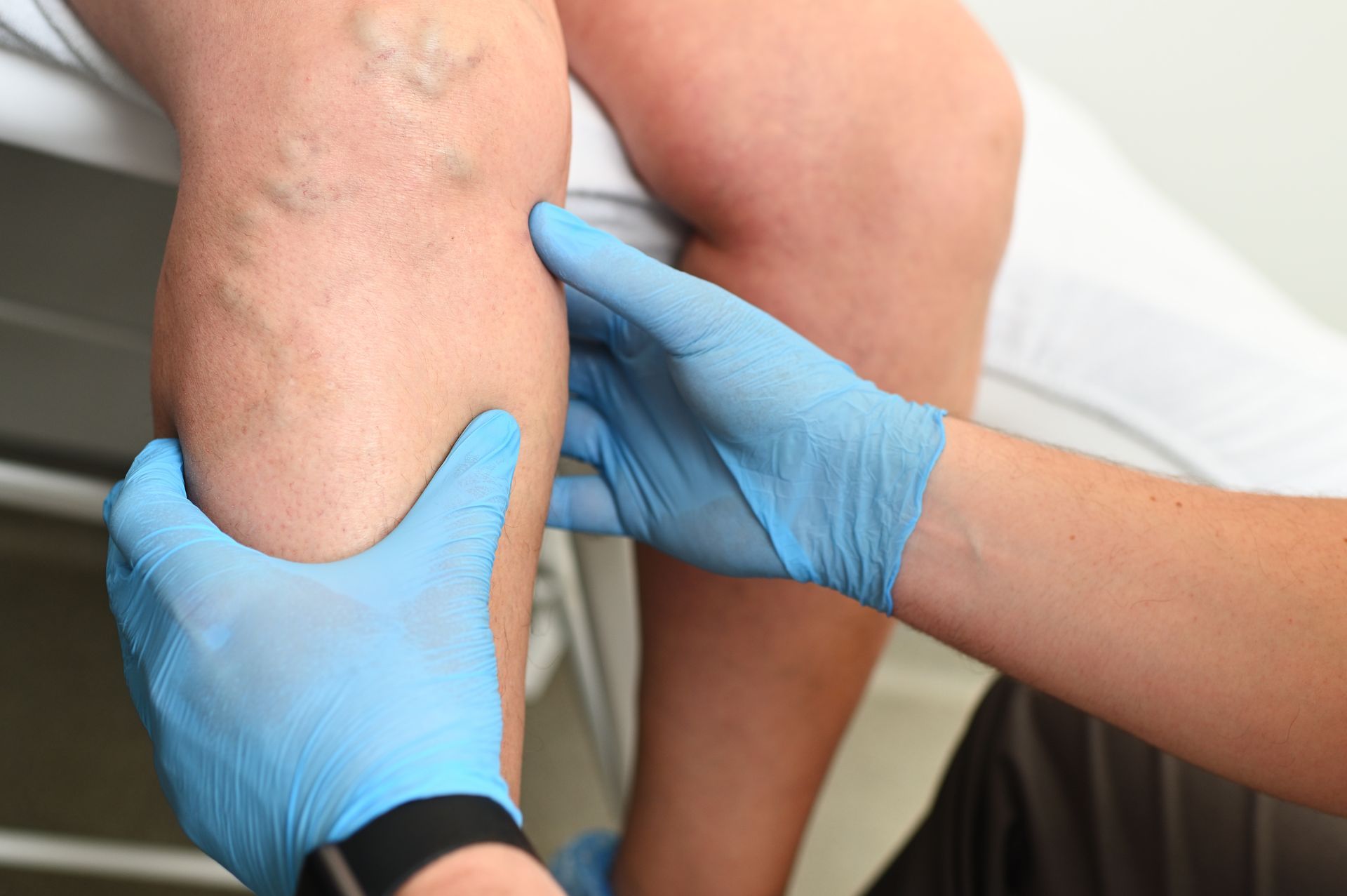
Leg being examined for varicose veins by a person wearing blue gloves.
January 22, 2026
Learn the signs, causes, and treatment options for Peripheral Artery Disease (PAD). Early diagnosis helps prevent serious vascular complications.
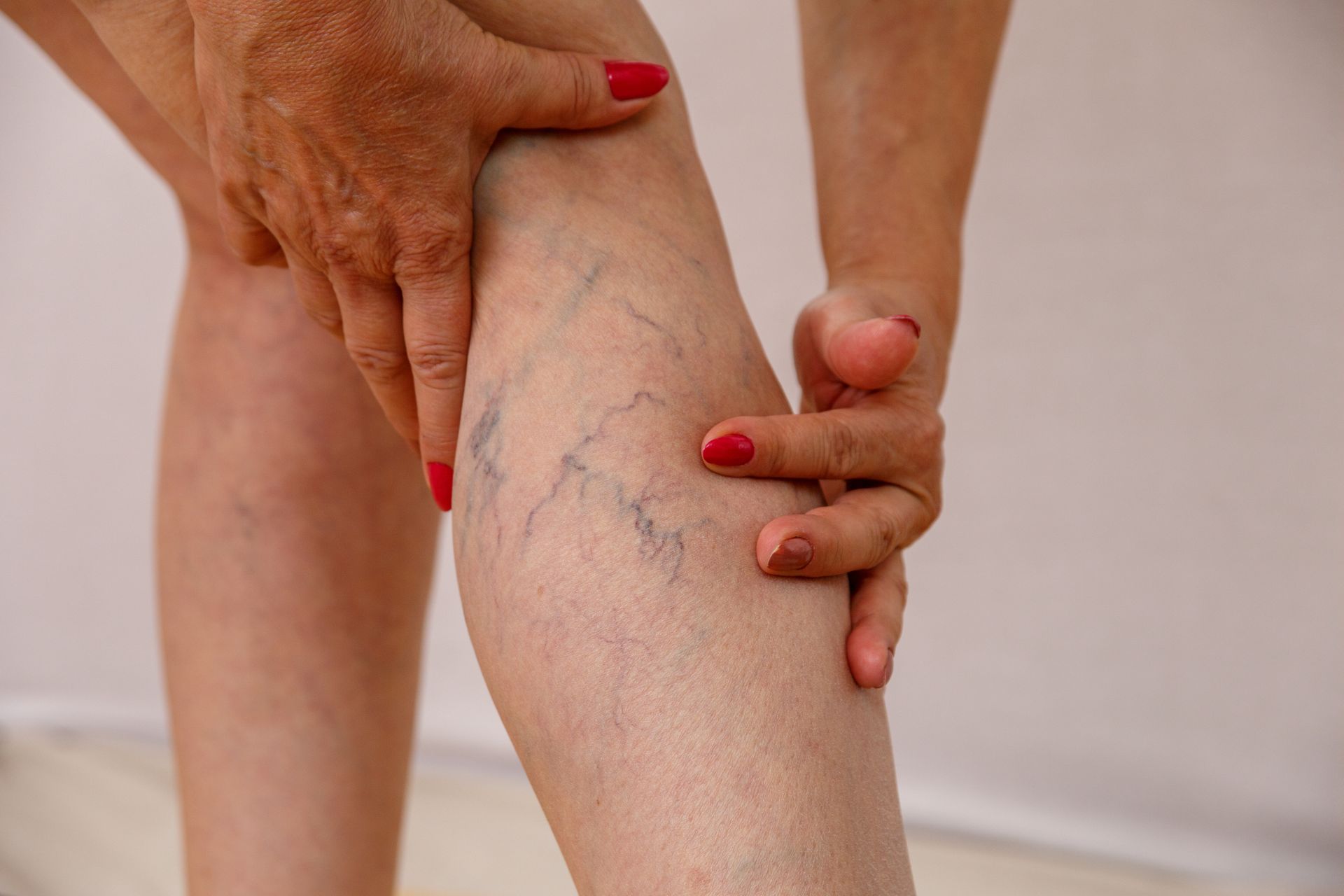
Woman holding her leg, showing visible blue varicose veins. Red nail polish.
November 22, 2025
Explore minimally invasive vascular treatments at California Vascular Health. Learn procedures, benefits, and what to expect for safer, effective care.
Man's legs and feet in blue running shoes on a paved surface.
October 24, 2025
Explore how diet and exercise can directly effect vascular health, including best exercises, foods to avoid, and lifestyle tips for long-term vascular health.