Balancing Work and Vascular Health: Tips for Office Workers
For many professionals, long hours at a desk are simply part of the job. But what often goes unnoticed is how a sedentary workday can impact your vascular health.
Extended periods of sitting can slow blood circulation, especially in the legs, causing blood to pool and increasing pressure on veins. Over time, this can contribute to conditions like varicose veins, chronic venous insufficiency, and even serious complications such as deep vein thrombosis (DVT).
The good news? With a few consistent habits, office workers can significantly reduce these risks and support long-term vascular health.
Why Vascular Health Matters at Work
Your vascular system is responsible for circulating oxygen-rich blood throughout your body and returning it to the heart. When you sit for prolonged periods, especially without movement:
- Blood flow slows down
- Veins in the legs experience increased pressure
- The “muscle pump” that helps circulation becomes inactive
This combination can lead to swelling, discomfort, and long-term vein issues if left unaddressed.
1. Prioritize Movement Throughout the Day
The most effective way to support vascular health is simple: move regularly.
Even short periods of activity can reactivate circulation and reduce pressure in your veins.
Practical tips:
- Stand up every 30–60 minutes
- Take short walks around the office
- Walk during phone calls or meetings
- Use the stairs when possible
Regular movement helps your leg muscles push blood back toward your heart, reducing the risk of pooling and clot formation.
2. Incorporate Simple Desk Exercises
You don’t need a gym to improve circulation. Small, consistent movements at your desk can make a measurable difference.
Easy exercises include:
- Ankle circles
- Seated leg lifts
- Calf raises
- Stretching your hamstrings and hips
These movements activate the lower-body muscles that are essential for maintaining healthy blood flow.
3. Optimize Your Workstation Setup
Ergonomics isn’t just about comfort—it directly affects circulation.
Consider:
- Keeping feet flat on the floor (or using a footrest)
- Avoiding crossing your legs for long periods
- Adjusting your chair to support proper posture
- Using a sit-stand desk (with balanced use, not prolonged standing)
It’s important to note that standing all day isn’t a solution either. The key is variation and movement, not staying in one position for extended periods.
4. Stay Hydrated and Support Circulation with Diet
Hydration plays a role in maintaining healthy blood flow. Dehydration can contribute to thicker blood and reduced circulation efficiency.
To support vascular health:
- Drink water consistently throughout the day
- Eat foods rich in fiber and antioxidants
- Include circulation-supporting nutrients (like leafy greens and healthy fats)
Healthy lifestyle habits reinforce the body’s ability to maintain proper vascular function over time.
5. Elevate Your Legs After Work
After a long day of sitting, giving your legs a break can help reduce swelling and improve circulation.
Try this:
- Elevate your legs above heart level for 15–20 minutes
- Avoid immediately sitting again after long work hours
- Light walking after work can also help restore circulation
This simple habit helps your veins move blood more efficiently and reduces pressure buildup.
6. Know the Warning Signs of Poor Circulation
Early detection is key when it comes to vascular health.
Watch for symptoms like:
- Leg swelling or heaviness
- Aching or cramping
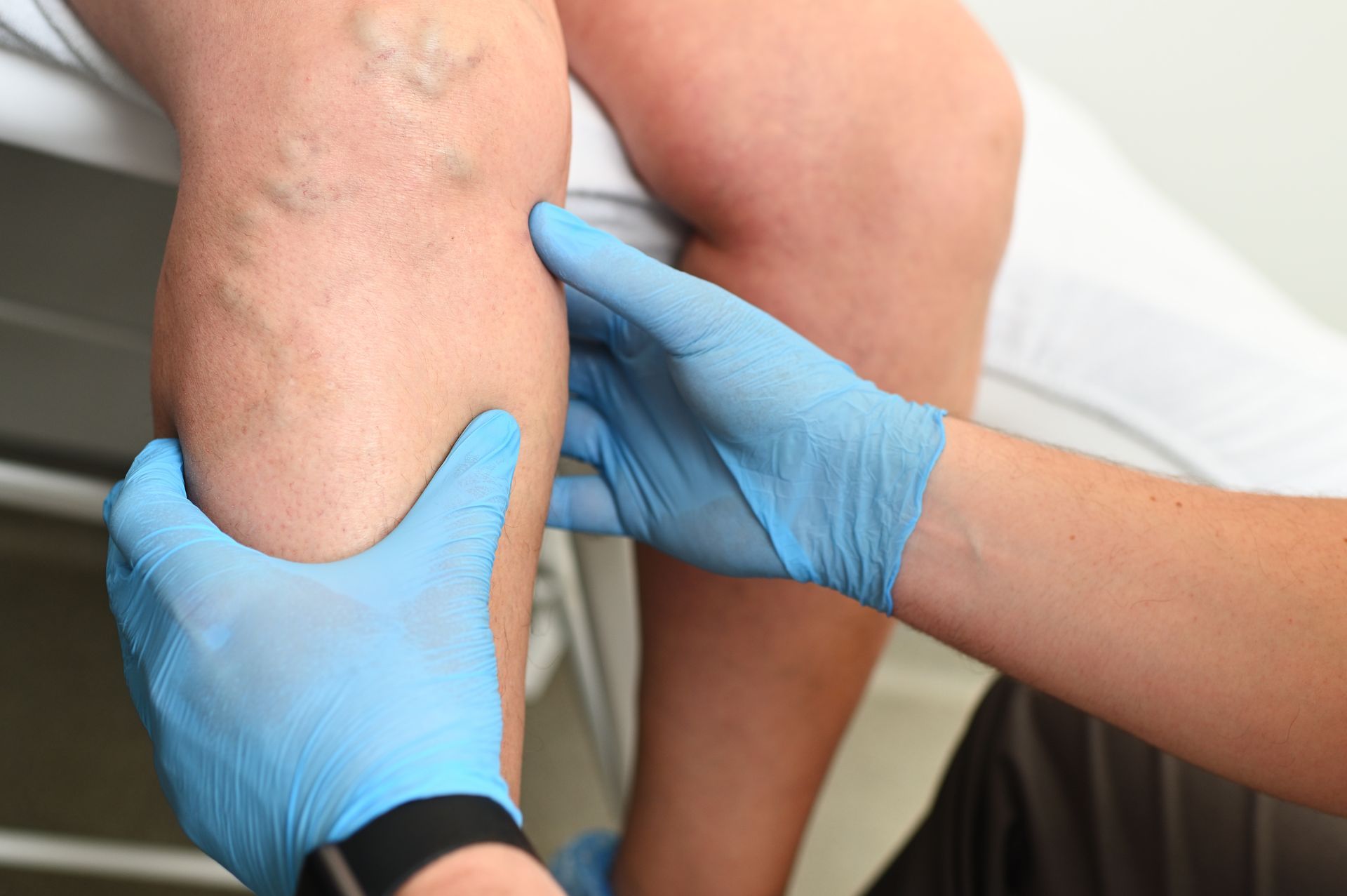
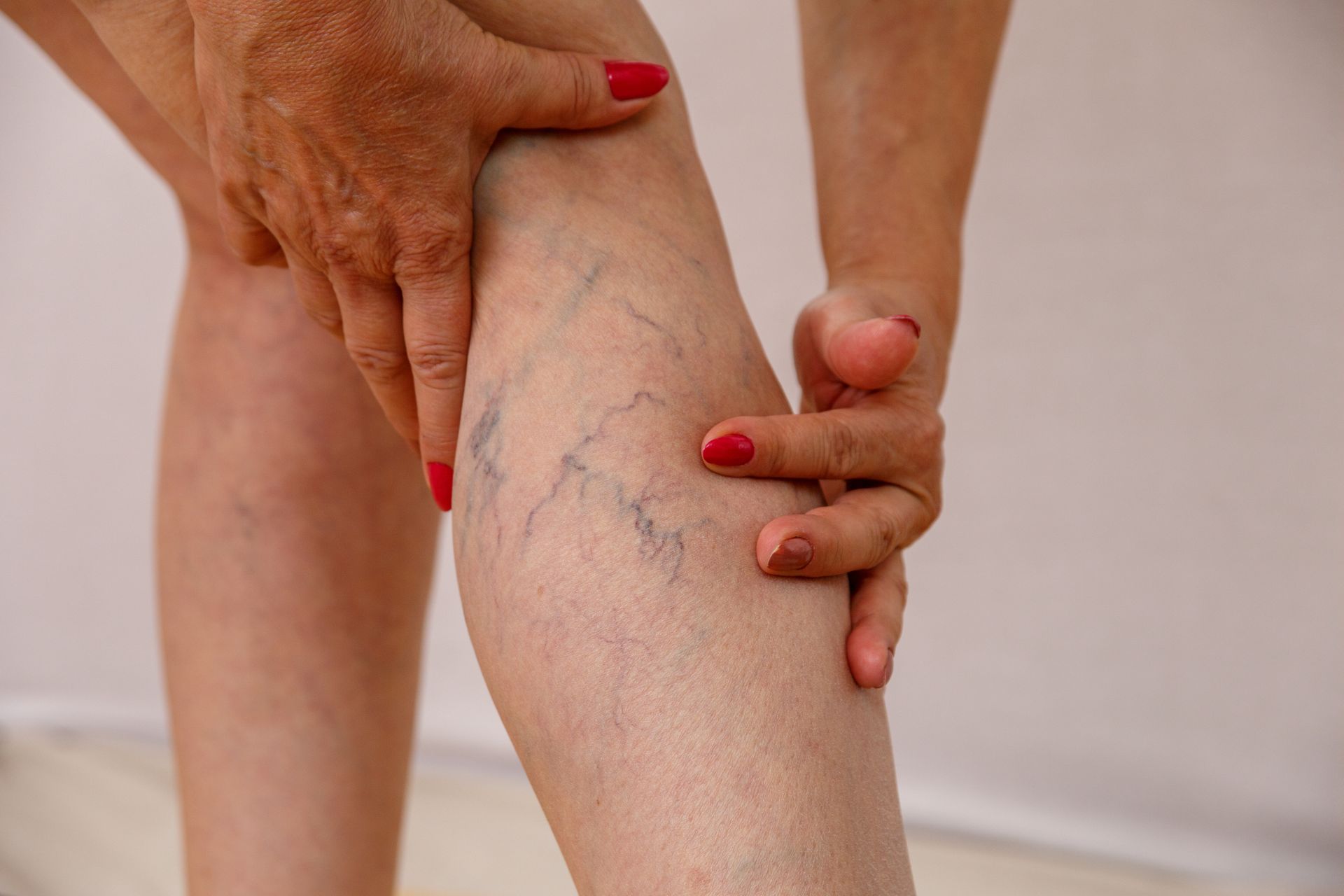
- Visible varicose veins
- Tingling or numbness
- Skin discoloration around the ankles
These signs may seem minor at first, but they can indicate underlying vascular issues that should be evaluated by a specialist.
7. When to See a Vascular Specialist
If you experience persistent symptoms or have risk factors such as prolonged sitting, family history, or existing vein issues, it’s important to seek professional care.
A vascular specialist can:
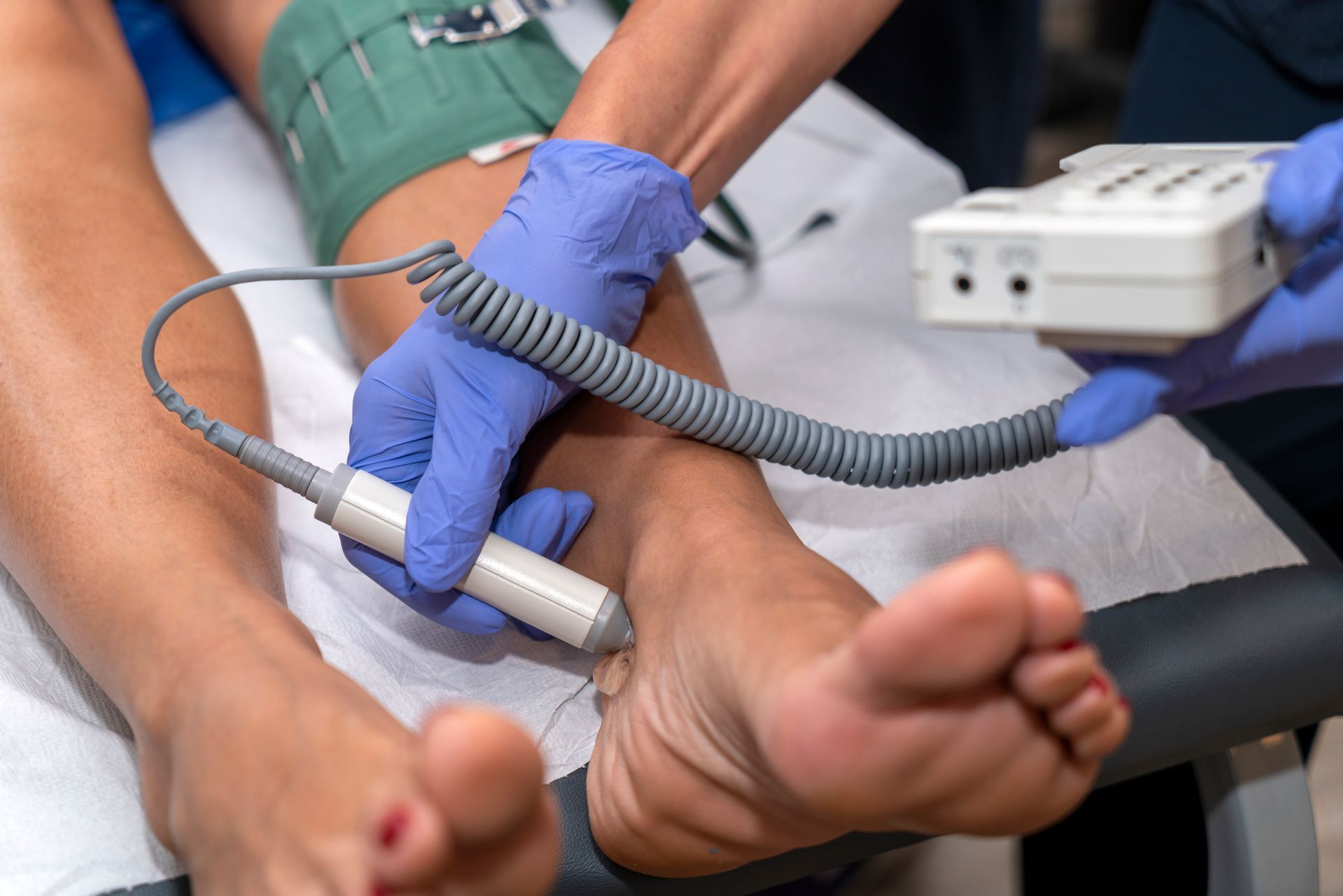
- Evaluate circulation and vein function
- Diagnose early-stage vascular conditions
- Recommend personalized treatment options
- Help prevent progression into more serious complications
Final Thoughts: Small Changes, Big Impact
Modern work environments may encourage long hours of sitting, but your health doesn’t have to suffer because of it.
By incorporating movement, improving ergonomics, and paying attention to early warning signs, office workers can take control of their vascular health.
Preventative care isn’t complicated—it’s consistent. And over time, those small daily habits can make a significant difference in how your body feels and functions.