Why Hemorrhoid Embolization Avoids the Incontinence Risks of Traditional Surgery
When hemorrhoids become painful, recurrent, or begin affecting daily life, many patients assume surgery is their only long-term treatment option. While conventional hemorrhoid surgery (hemorrhoidectomy) has been the standard treatment for severe hemorrhoids for decades, it is not without risks. One of the most concerning potential complications is post-operative fecal incontinence—a condition that can significantly impact a patient's quality of life.
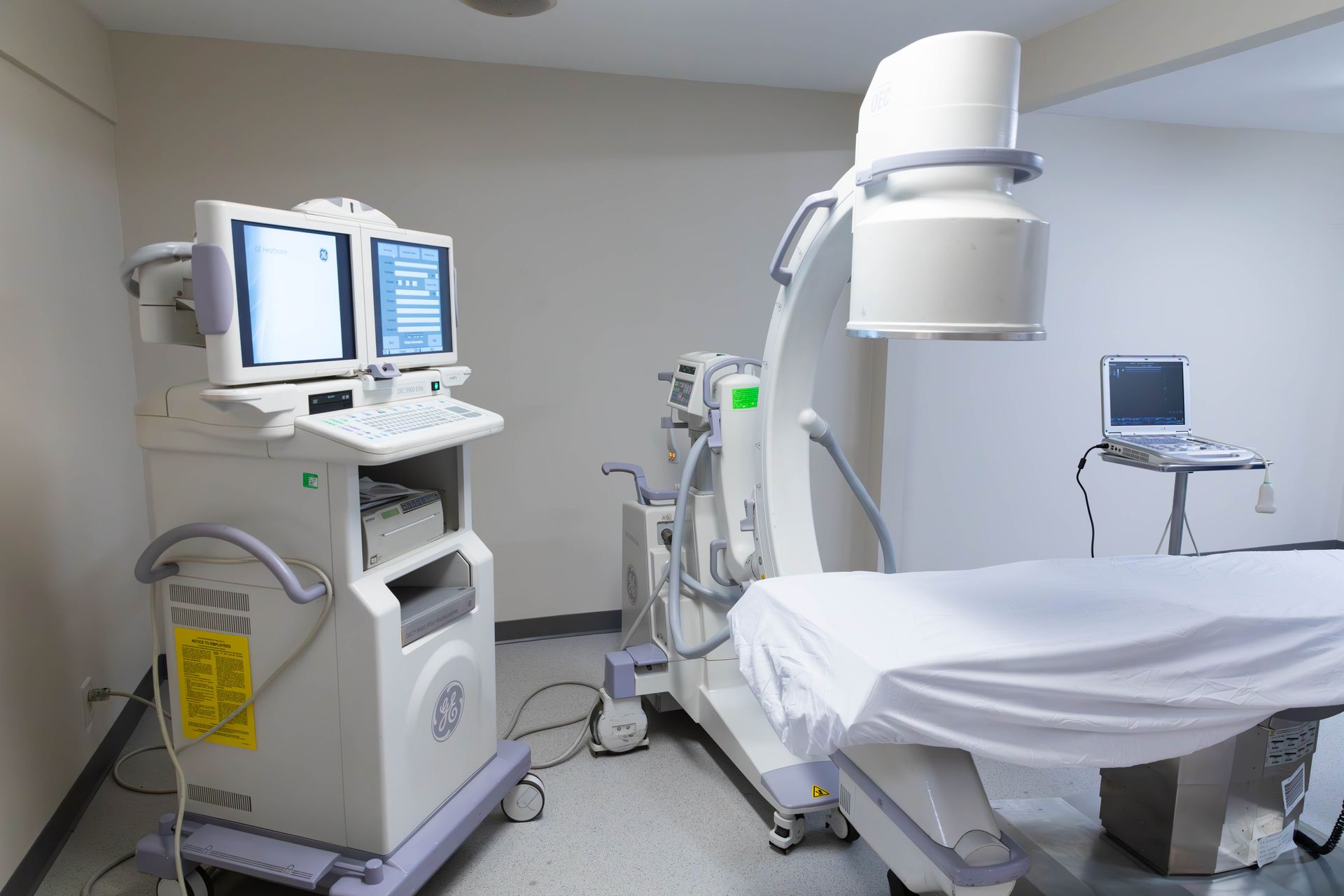
Today, advances in minimally invasive vascular procedures have introduced a new treatment option: hemorrhoid embolization. This image-guided procedure treats hemorrhoids by reducing their blood supply rather than removing tissue, offering symptom relief without the surgical risks associated with traditional hemorrhoidectomy.
Understanding the differences between these treatments can help patients make informed decisions about their care.
Understanding the Risk of Incontinence After Hemorrhoid Surgery
Hemorrhoidectomy involves surgically removing enlarged hemorrhoidal tissue from the anal canal. While highly effective for many patients, the procedure requires operating in an area containing delicate muscles and nerves responsible for maintaining bowel control.
Although most patients recover without long-term complications, studies have shown that some individuals experience varying degrees of fecal incontinence following surgery. This may include:
- Difficulty controlling gas
- Minor leakage of stool
- Urgency or reduced bowel control
- Temporary or, in rare cases, persistent incontinence
Several factors influence this risk, including the surgical technique used, the severity of the hemorrhoids, previous anorectal surgeries, and any pre-existing weakness of the anal sphincter muscles.
Even temporary changes in bowel control can affect confidence, social activities, and overall quality of life during recovery.
Why Surgery Can Affect Continence
The anal sphincter complex consists of muscles that work together to maintain continence. During hemorrhoidectomy, the hemorrhoidal tissue lies immediately adjacent to these muscles.
Although experienced colorectal surgeons take great care to preserve the sphincter, surgery inevitably involves tissue dissection in this sensitive region. Scar tissue formation, nerve irritation, or inadvertent injury can occasionally affect sphincter function.
Additionally, significant post-operative pain may temporarily alter normal bowel habits, making recovery more challenging.
These risks are uncommon but represent an important consideration when evaluating treatment options.
What Is Hemorrhoid Embolization?
Hemorrhoid embolization is a minimally invasive procedure performed by an interventional radiologist.
Rather than removing hemorrhoids surgically, the physician inserts a tiny catheter through a small puncture in the wrist or groin and navigates it to the arteries supplying blood to the hemorrhoids. Tiny embolic particles or coils are then placed to reduce blood flow, causing the hemorrhoids to shrink naturally over time.
Because the procedure works through the blood vessels, there is no cutting, removal of hemorrhoidal tissue, or disruption of the anal sphincter muscles.
This fundamental difference is what makes hemorrhoid embolization especially appealing for appropriate candidates.
Why Embolization Does Not Carry the Same Incontinence Risk
One of the major advantages of hemorrhoid embolization is that it does not involve operating directly on the muscles responsible for bowel control.
Since there is:
- No incision in the anal canal
- No tissue excision
- No disruption of the sphincter muscles
- No surgical wound requiring healing
the risk of post-operative fecal incontinence associated with hemorrhoidectomy is essentially avoided.
Instead of physically removing hemorrhoids, embolization decreases the excessive blood flow that causes them to enlarge, allowing symptoms to improve while preserving normal anatomy.
For patients who are concerned about protecting bowel function, this distinction can provide considerable reassurance.
Additional Benefits of Hemorrhoid Embolization
Beyond preserving continence, hemorrhoid embolization offers several other advantages over traditional surgery.
Many patients experience:
- Minimal post-procedure discomfort
- No external surgical incision
- Faster recovery
- Lower risk of wound complications
- Reduced need for prescription pain medication
- Outpatient treatment with a return home the same day
Because recovery is generally less painful than hemorrhoidectomy, many patients are able to resume normal daily activities much sooner.
Who May Be a Candidate?
Hemorrhoid embolization may be an excellent option for patients with symptomatic internal hemorrhoids, particularly those experiencing:
- Recurrent rectal bleeding
- Chronic hemorrhoid symptoms
- Persistent discomfort despite conservative treatment
- Concerns about surgical recovery
- Medical conditions that increase surgical risk
Not every patient is an ideal candidate, and a thorough evaluation is necessary to determine the most appropriate treatment approach.
An interventional radiologist can review your medical history, imaging, and symptoms to determine whether embolization is suitable for your specific condition.
Choosing the Right Treatment
Every patient's situation is unique. While traditional hemorrhoidectomy remains an effective treatment for certain advanced cases, minimally invasive techniques like hemorrhoid embolization are expanding treatment options for patients seeking effective relief with fewer risks.
Understanding the differences between these procedures—including the potential for post-operative incontinence after surgery and the sphincter-preserving nature of embolization—allows patients to make more informed decisions alongside their healthcare provider.
A Modern Alternative for Hemorrhoid Relief
Living with chronic hemorrhoids can be frustrating, but treatment no longer has to mean a difficult surgical recovery.
Hemorrhoid embolization offers an innovative, minimally invasive solution that targets the underlying blood supply to hemorrhoids while avoiding the tissue removal associated with surgery. Because the procedure preserves the anal sphincter and surrounding structures, it does not carry the same risk of post-operative fecal incontinence that may occur after hemorrhoidectomy.
If you've been told surgery is your only option, it may be worth learning whether hemorrhoid embolization is an appropriate alternative for your condition.