Could Your Leg Pain Actually Be Peripheral Artery Disease?

September 27, 2026

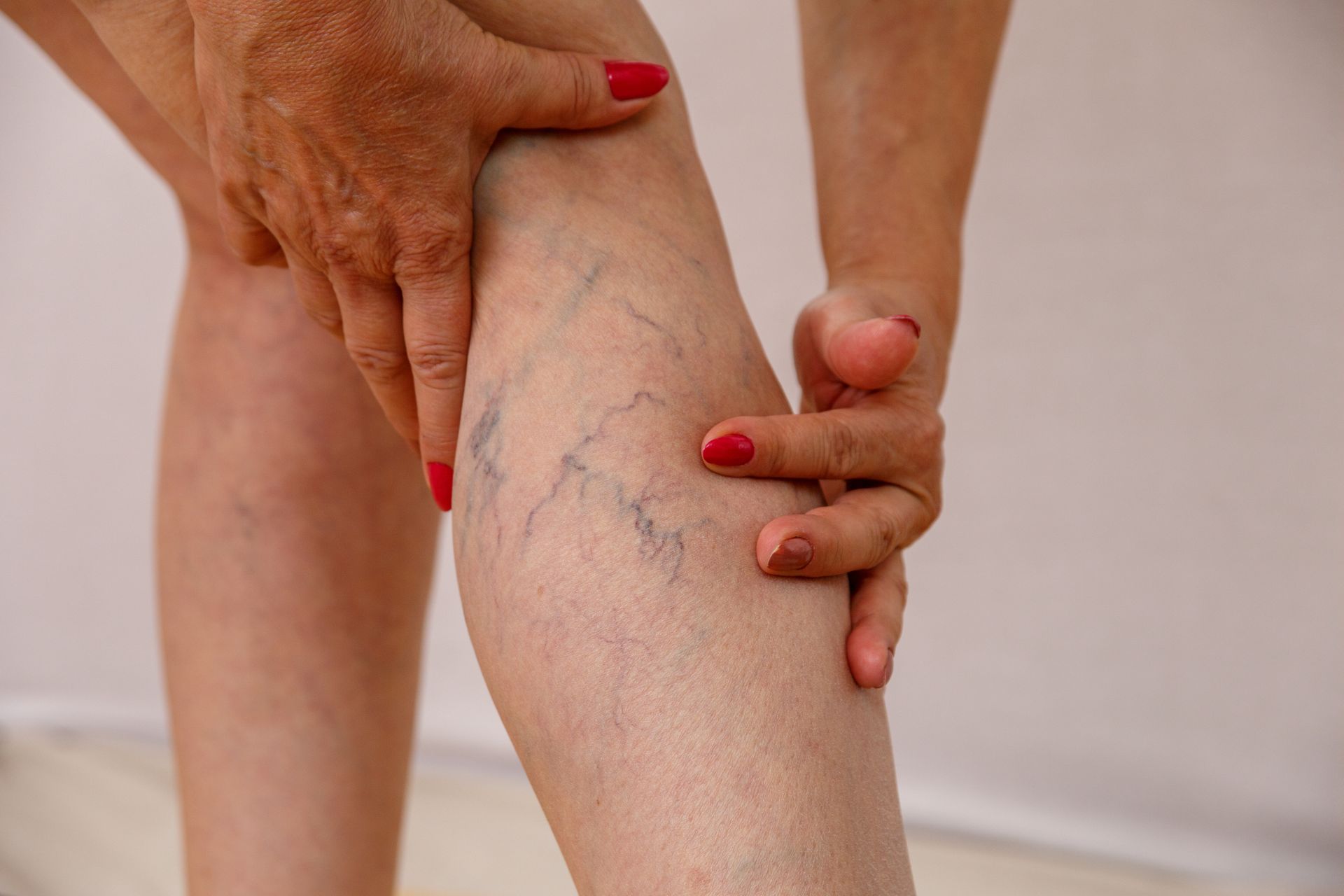
Leg pain is easy to dismiss. Most people chalk it up to getting older, overdoing it at the gym, or a touch of arthritis settling in. But for millions of people, that recurring ache, cramp, or heaviness in the legs isn't a normal part of aging — it's a symptom of peripheral artery disease (PAD), a condition that's often overlooked until it becomes serious.


Here's what PAD actually is, how to recognize it, and why it deserves more attention than "just leg pain."


What Is Peripheral Artery Disease (PAD)?

Peripheral artery disease occurs when arteries — most commonly in the legs — become narrowed or blocked by a buildup of plaque, a condition known as atherosclerosis. This narrowing restricts blood flow to the muscles, and it's that reduced circulation that produces the pain many people mistake for something far less serious.


PAD doesn't just affect the legs, either. It's a sign that similar plaque buildup may be occurring elsewhere in the body's blood vessels — including those supplying the heart and brain.


Common Symptoms of PAD

PAD symptoms can range from subtle to severe, and they don't always show up the same way in every patient. Common signs include:


  • Leg pain, cramping, or fatigue that occurs during walking or exercise
  • Pain that improves with rest (a hallmark symptom known as claudication)
  • Numbness or weakness in the legs
  • A cold sensation in the lower leg or foot, especially compared to the other side
  • Sores or wounds on the feet or legs that heal slowly
  • Changes in skin color or shiny skin on the legs
  • Weak or absent pulses in the feet


Some people with PAD experience no symptoms at all in the early stages, which is part of what makes it so easy to miss.


How PAD Leg Pain Differs From Ordinary Muscle Soreness

This is often where PAD gets misdiagnosed as simple fatigue or aging. A few key differences:

  • Pattern: PAD pain typically appears consistently during activity — like walking a certain distance — and eases with rest. Muscle soreness from exertion is usually more random and tied to specific overuse.
  • Location: PAD pain often occurs in the calf, thigh, or hip, following the pattern of blood flow restriction, rather than being isolated to a single joint or muscle group.
  • Recovery: Ordinary muscle fatigue tends to improve with stretching or over a day or two. PAD-related pain tends to recur reliably with the same activity level, day after day.


If leg pain follows a predictable pattern tied to activity and rest, it's worth mentioning to a doctor rather than assuming it's just wear and tear.


Risk Factors for PAD

Certain factors significantly increase the likelihood of developing PAD, including:

  • Smoking — one of the strongest risk factors for PAD
  • Diabetes — high blood sugar contributes to blood vessel damage over time
  • High blood pressure — adds strain to artery walls
  • High cholesterol — contributes directly to plaque buildup
  • Age — risk increases significantly after age 50
  • Family history of cardiovascular or vascular disease


Patients with multiple risk factors, even without noticeable symptoms, may benefit from proactive screening.


Why Delayed Diagnosis Can Be Dangerous

PAD isn't simply a localized circulation issue — it's a strong indicator of broader cardiovascular disease. Because PAD and coronary artery disease often share the same underlying cause, undiagnosed PAD is associated with a significantly higher risk of heart attack and stroke.


Left untreated, more advanced PAD can also lead to serious complications, including non-healing wounds, infections, and in severe cases, limb-threatening tissue damage. Catching it early changes the entire trajectory of treatment and long-term risk.


Modern Treatment Options Available Today

The good news: PAD is highly manageable, especially when caught early. Depending on severity, treatment may include:

  • Lifestyle changes, including smoking cessation, structured exercise, and dietary changes
  • Medications to manage cholesterol, blood pressure, and blood clotting risk
  • Minimally invasive procedures, such as angioplasty or stenting, to restore blood flow
  • Surgical intervention in more advanced cases


Advances in vascular medicine mean most patients can be treated effectively without major surgery, particularly when PAD is identified in its earlier stages.


When to Seek a Vascular Evaluation

If you experience leg pain that consistently shows up during activity and improves with rest — especially alongside risk factors like smoking, diabetes, high blood pressure, or high cholesterol — it's worth having it evaluated by a vascular specialist rather than assuming it's simply age-related.


PAD is often treatable, but only if it's identified. A vascular evaluation can determine whether reduced circulation is behind your symptoms, and more importantly, what it might mean for your broader cardiovascular health.


If you're experiencing unexplained leg pain, California Vascular Health Specialists offers vascular evaluations to help identify the cause and guide you toward the right treatment path.
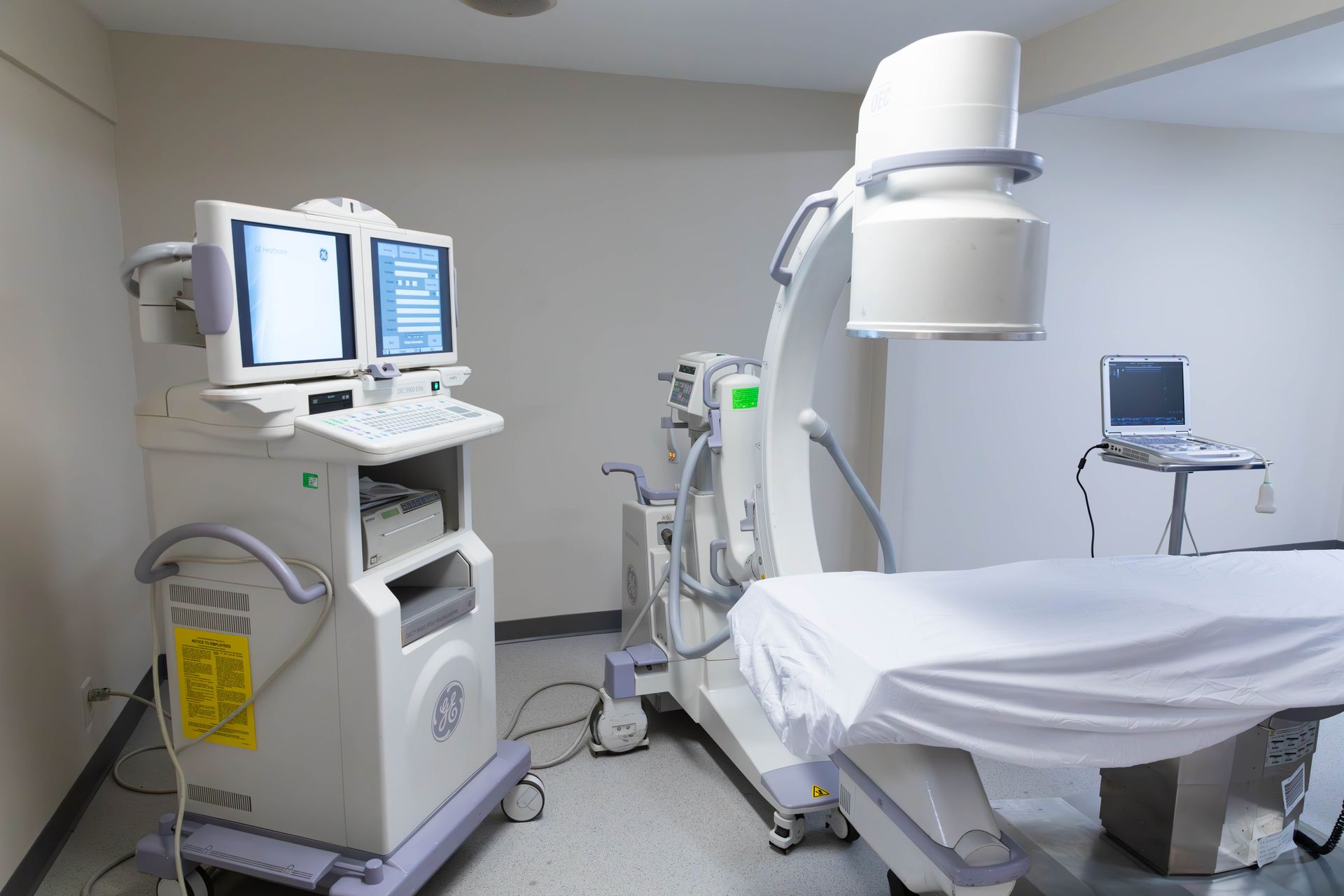

Medical imaging room with a CT scanner, monitor carts, and an examination table covered in white sheets.
August 28, 2026
Discover if open artery surgery or a minimally invasive leg treatment is best for you when an artery in the leg becomes narrowed or blocked.
July 1, 2026
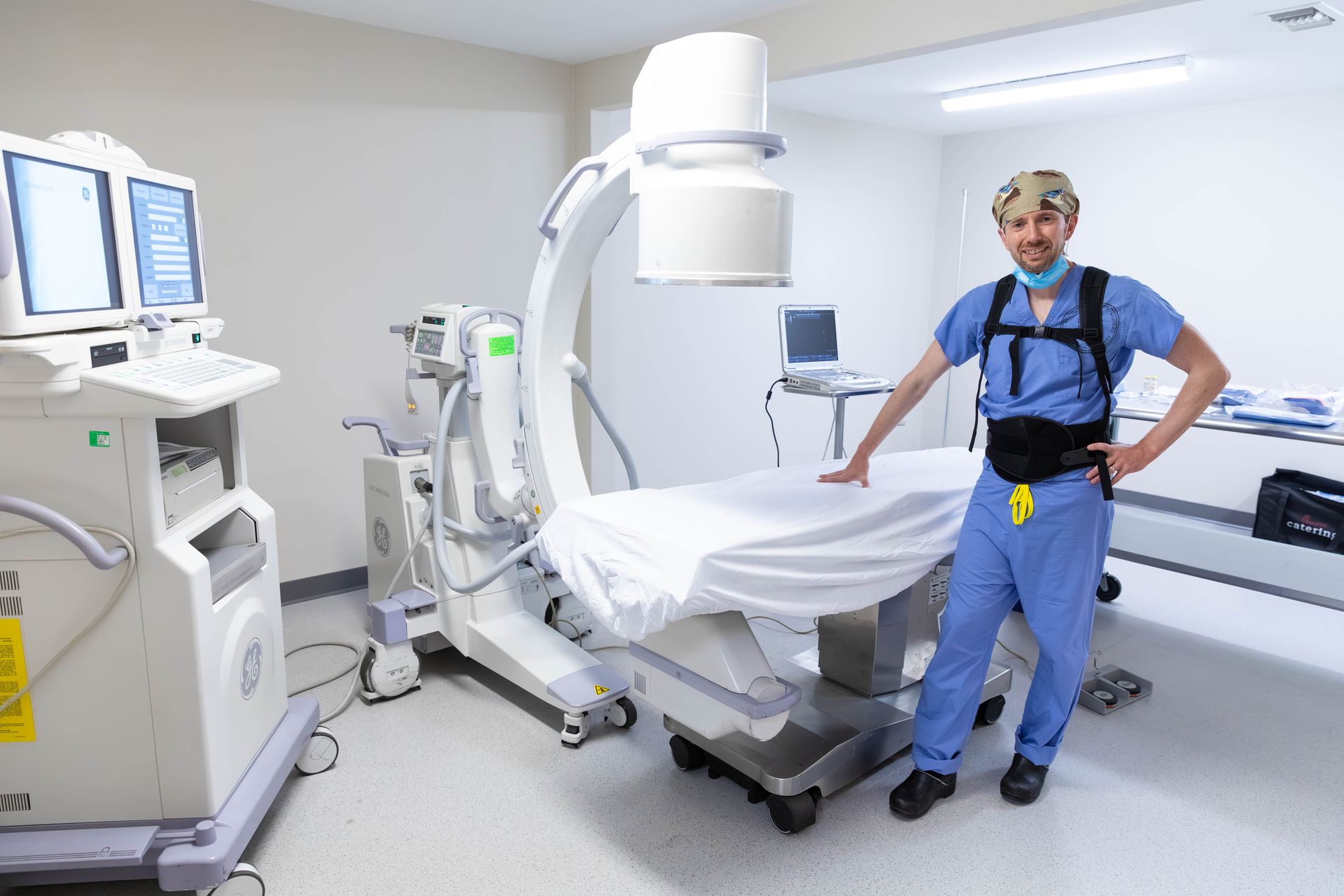
A patient with a dying leg won't drive 20 miles for care. In Devin Zarkowsky's town, that's not a hypothetical. Vascular surgeon Devin Zarkowsky runs a solo office-based practice in a San Diego County town where peripheral arterial disease patients had nowhere local to go, and Jason McKittrick is the executive director of the Office-Based Facility Association. They discuss the KevinMD article "Why local care matters for peripheral arterial disease." You will hear how the Medicare physician fee schedule pays hospitals for big-ticket equipment but pays solo doctors out of the same bundled rate they use to cover staff and wire and drapes, why a four-figure atherectomy or Shockwave catheter swallows a week of revenue when there is no separate reimbursement, and why Congress is finally looking at fixing it after years of small fixes that did not close the gap. You will hear what local care actually means when a patient cannot drive and the limb cannot wait.
Doctor standing beside a medical imaging scanner in a hospital room
June 28, 2026
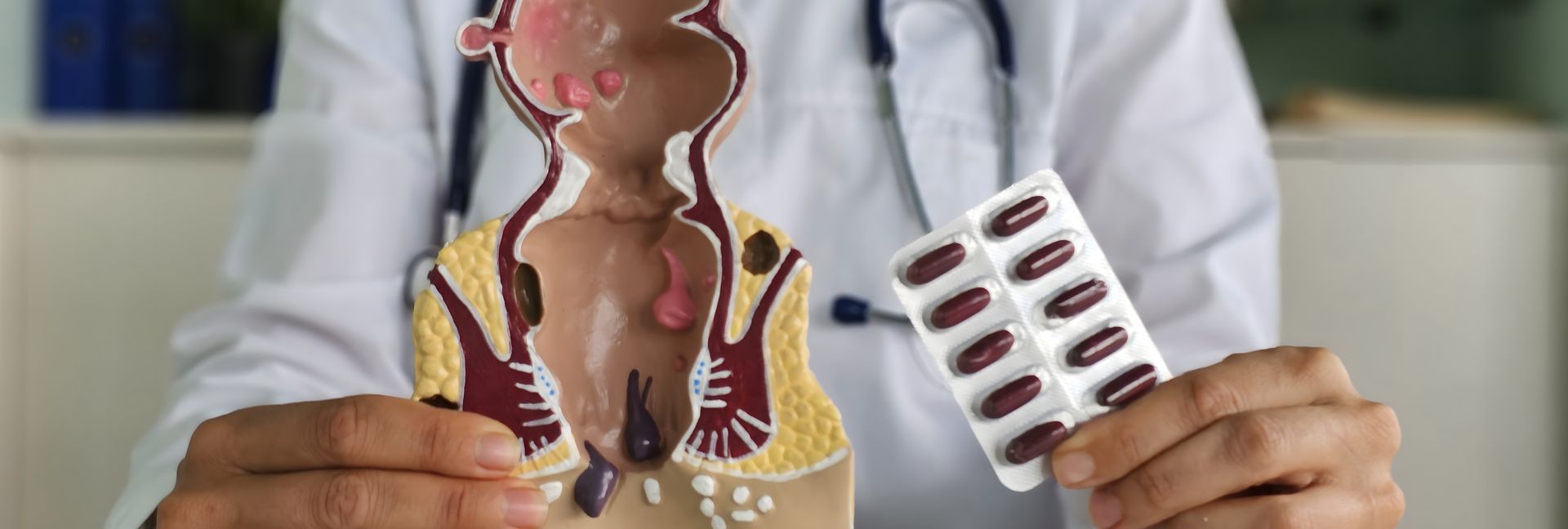
Learn how hemorrhoid embolization treats hemorrhoids without the risk of post-operative fecal incontinence associated with traditional hemorrhoid surgery.
Doctor holding a human anatomy model and a blister pack of pills
May 30, 2026
Learn which doctors treat hemorrhoids, including primary care physicians, gastroenterologists, colorectal surgeons, and specialists offering hemorrhoid embolization.
Person working on a laptop at a wooden table in a bright home office by a window.
April 27, 2026
Learn how office workers can improve vascular health with simple daily habits to boost circulation, prevent vein issues, and stay healthy at work.
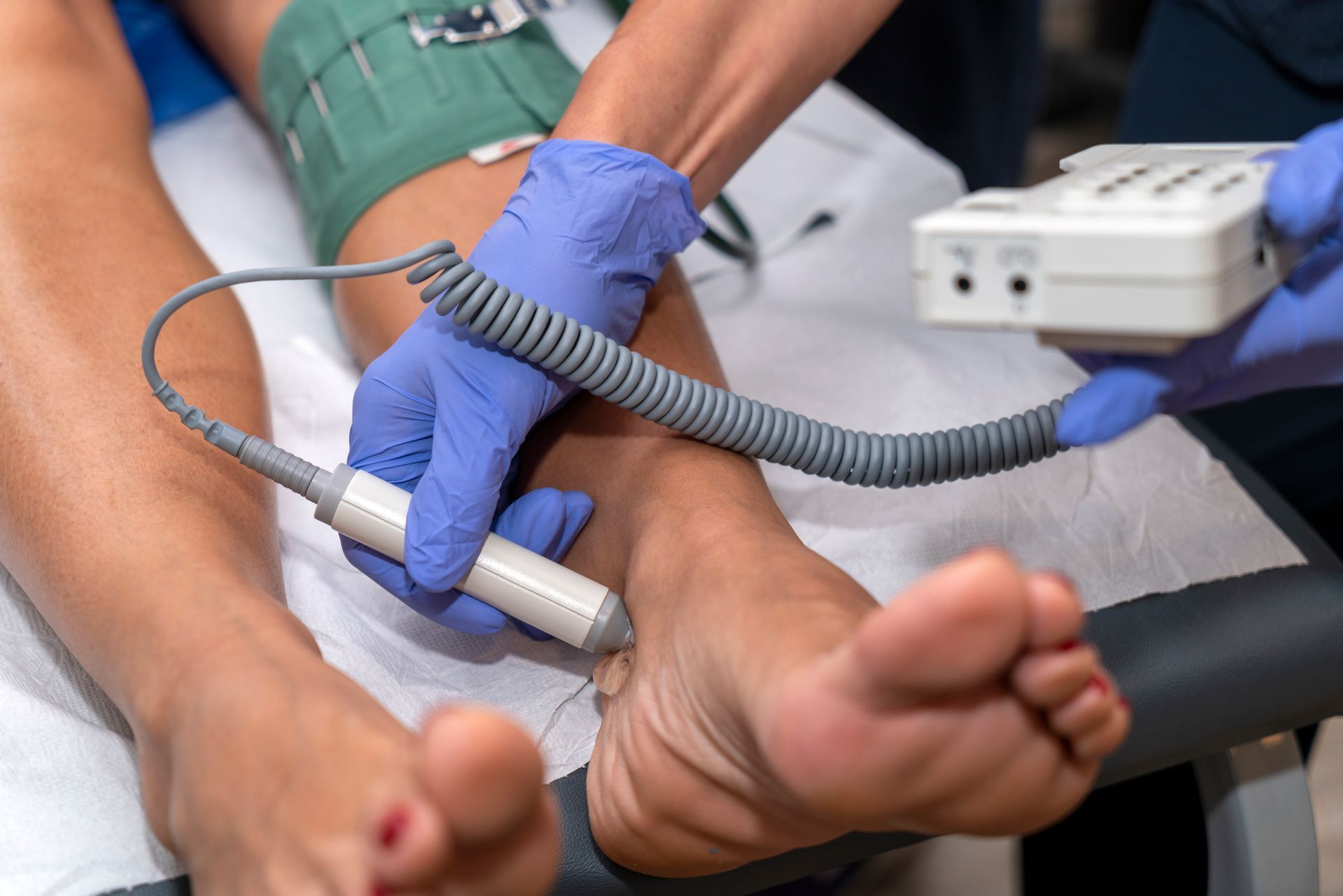
A healthcare provider in blue gloves uses a handheld Doppler ultrasound device to check the pulse on a patient’s ankle.
March 30, 2026
Learn the signs, causes, and treatment options for chronic venous insufficiency (CVI) and how expert care can relieve leg pain and swelling.
February 13, 2026
Hemorrhoids are extremely common, yet many people don’t realize that everyday habits play a major role in both their development and recurrence. While not all hemorrhoids can be prevented, certain lifestyle adjustments can significantly reduce your risk and help minimize uncomfortable flare-ups. Understanding these preventative strategies is especially important for patients who experience recurring symptoms. Why Do Hemorrhoids Develop? Hemorrhoids form when pressure increases in the veins of the lower rectum. Over time, this pressure can cause veins to swell, stretch, and become irritated. Several factors contribute to this process, including: Straining during bowel movements Chronic constipation Prolonged sitting Low-fiber diets Pregnancy Aging-related vein changes Although hemorrhoids are a vascular condition, many triggers are manageable. Increase Fiber Intake One of the most effective ways to prevent hemorrhoids is to improve stool consistency. Fiber helps soften stool and promotes regular bowel movements, reducing the need for straining. Helpful sources of dietary fiber include: Fruits and vegetables Whole grains Legumes Fiber supplements when needed A gradual increase is recommended to avoid digestive discomfort. Stay Properly Hydrated Fiber works best when combined with adequate fluid intake. Dehydration can contribute to harder stools, increasing pressure on rectal veins. Consistent hydration helps: Maintain softer stool Improve digestive efficiency Reduce constipation risk Avoid Straining During Bowel Movements Straining is one of the most significant contributors to hemorrhoid formation. Excessive pressure directly stresses the rectal veins. Healthier habits include: Responding promptly to the urge to go Avoiding prolonged sitting on the toilet Allowing bowel movements to occur naturally Limit Prolonged Sitting Extended sitting — particularly on hard surfaces — increases pressure in the rectal region. This is especially relevant for individuals with sedentary occupations. Helpful strategies: Take standing or walking breaks Adjust seating ergonomics Reduce unnecessary toilet time Maintain Healthy Bowel Habits Irregular bowel patterns often increase hemorrhoid risk. Supporting digestive regularity reduces vascular strain. Supportive practices include: Consistent meal schedules Physical activity Fiber-rich nutrition Reduce Flare-Up Triggers For patients prone to recurrent hemorrhoids, symptom triggers may include: Heavy lifting Chronic coughing Constipation cycles Pregnancy-related pressure Identifying and managing triggers can help prevent symptom escalation. When Is Hemorrhoid Prevention Not Enough? While lifestyle modifications are highly effective for many patients, they do not eliminate existing hemorrhoids or advanced vascular changes. Medical evaluation may be appropriate if you experience: Persistent bleeding Ongoing discomfort Recurring flare-ups Painful swelling Hemorrhoids that do not respond to conservative care often benefit from minimally invasive treatments. A Preventative Approach to Long-Term Hemorrhoid Relief Hemorrhoid prevention is largely about reducing pressure and supporting healthy circulation. Small daily adjustments can produce meaningful improvements, particularly for patients with early or mild symptoms. For individuals with chronic or worsening hemorrhoids, specialized care can address the underlying vascular cause and provide lasting relief.
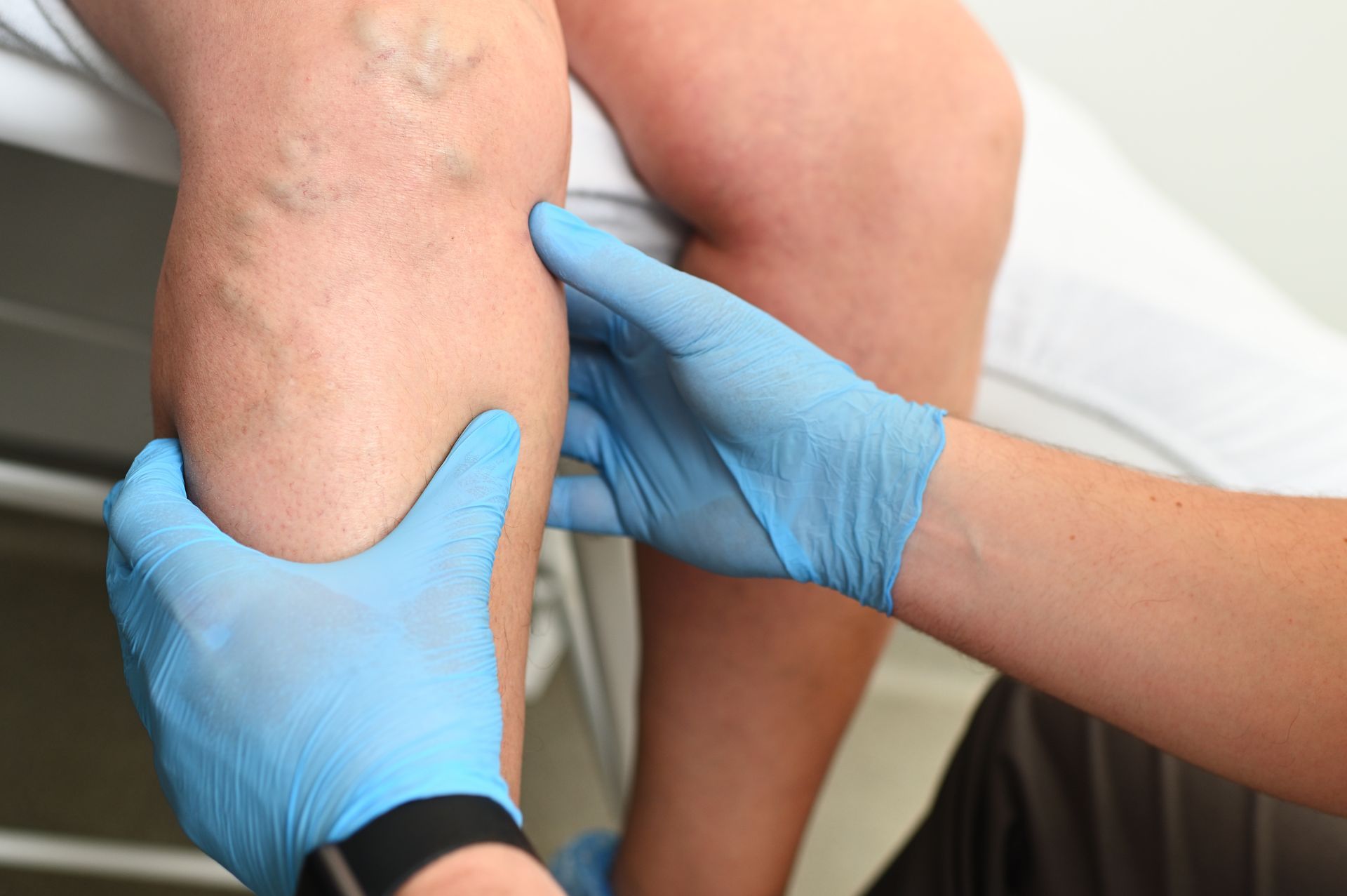
Leg being examined for varicose veins by a person wearing blue gloves.
January 22, 2026
Learn the signs, causes, and treatment options for Peripheral Artery Disease (PAD). Early diagnosis helps prevent serious vascular complications.
Woman holding her leg, showing visible blue varicose veins. Red nail polish.
November 22, 2025
Explore minimally invasive vascular treatments at California Vascular Health. Learn procedures, benefits, and what to expect for safer, effective care.