Why Diabetic Foot Wounds Don’t Heal: The Hidden Role of Poor Circulation

October 30, 2026

For individuals living with diabetes, a small blister, scrape, or minor cut on the foot can quickly turn into a serious medical concern. What might seem like a simple surface injury can linger for weeks or months without showing signs of improvement.


While many people understand that diabetes affects blood sugar levels, fewer realize its profound impact on the circulatory system. When a diabetic foot wound fails to heal, the underlying culprit is frequently a restriction in blood flow caused by Peripheral Artery Disease (PAD). Understanding the link between diabetes, poor circulation, and wound healing is the first step toward protecting your health and preserving your mobility.


The Vascular Connection: How Diabetes Affects Blood Flow

To heal damaged tissue, your body relies on a constant, oxygen-rich supply of blood delivered through a complex network of blood arteries. Blood carries vital nutrients, white blood cells to fight off bacteria, and growth factors that rebuild skin and muscle tissue.

Over time, elevated blood sugar levels can damage the delicate lining of your blood vessels. This damage leads to two interrelated complications that hinder the healing process:


  • Plaque Accumulation (Atherosclerosis): High blood sugar accelerates the buildup of fatty deposits, calcium, and cholesterol inside the arteries. As these vessels narrow or harden, the volume of oxygenated blood reaching your lower legs and feet drops significantly.


  • Nerve Damage (Diabetic Neuropathy): Reduced blood flow combined with high glucose levels damages peripheral nerves. This causes numbness, meaning you might not feel a pebble in your shoe, a blister, or a cut until it has developed into a deeper, open sore (ulcer).


When severe arterial blockages coincide with nerve numbness, a minor skin tear can rapidly expand into a non-healing diabetic foot ulcer. Without sufficient oxygen reaching the tissue, standard wound dressings and topical ointments alone cannot trigger the body's natural repair mechanisms.


Recognizing the Signs of Poor Circulation in Your Feet

A non-healing sore is often the most obvious sign of impaired blood flow, but it is rarely the only warning light. Paying attention to subtle changes in your lower extremities can help you identify circulation problems early:


  1. Sores or Wounds That Linger: Any cut, blister, or skin break on your foot or ankle that shows no significant healing after one to two weeks requires professional evaluation.
  2. Skin Color and Texture Changes: Legs and feet may appear pale, bluish, or abnormally shiny. You may also notice a loss of hair on your lower legs and toes.
  3. Temperature Differences: One foot or leg feels noticeably cooler to the touch compared to the rest of your body.
  4. Pain While Walking or Resting: You might experience cramping or aching in your calves or feet during light activity (claudication) or a dull, burning sensation in your toes while lying down in bed.
  5. Slow-Growing Toenails: Toenails may become thick, brittle, or grow much slower than usual due to limited nutrient delivery.


Why Basic Wound Care Isn't Always Enough

When treating a diabetic foot ulcer, standard care typically involves cleaning the area, applying specialized dressings, taking antibiotics for infections, and keeping weight off the affected foot (off-loading). While these steps are critical components of recovery, they only address the surface of the problem.


If blood flow to the lower leg is severely restricted, the tissue remains starved of oxygen. Without addressing arterial blockages, even the most advanced wound dressings will fail to close the ulcer.


This is why a comprehensive approach to diabetic wound care requires evaluating your vascular health. Restoring proper circulation provides the foundation necessary for topical wound treatments to actually work.


How Vascular Specialists Restore Blood Flow and Promote Healing

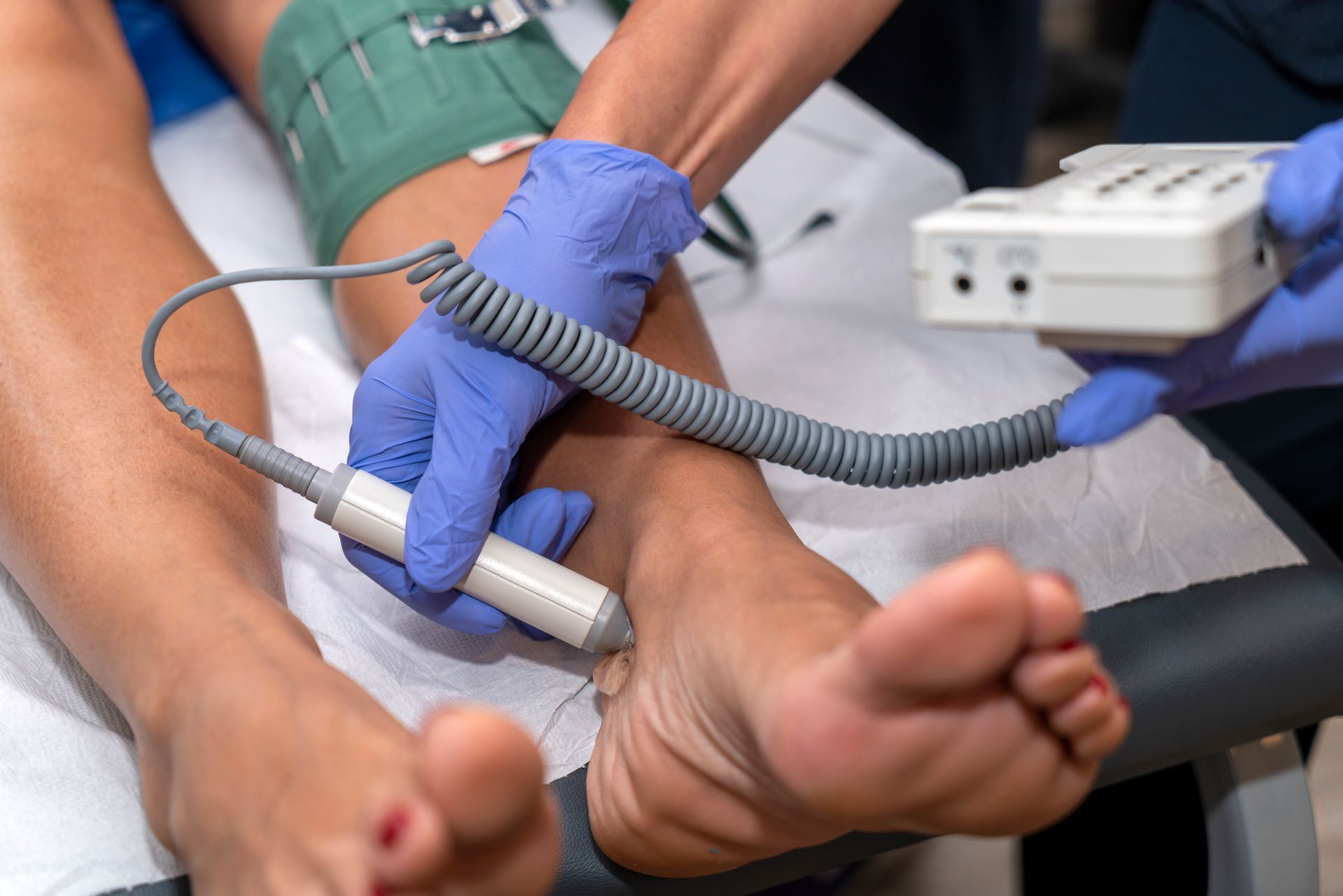
If a non-healing foot wound is linked to poor circulation or Peripheral Artery Disease, a vascular specialist can perform non-invasive diagnostic tests to measure the precise blood pressure and flow in your legs. Tests like the Ankle-Brachial Index (ABI) or an arterial ultrasound give a clear picture of where blockages exist.


When significant blockages are identified, modern vascular care offers advanced, minimally invasive treatments to reopen narrowed arteries, often performed on an outpatient basis:


  • Angioplasty: A tiny catheter with a small balloon is guided into the blocked artery and inflated to widen the passage, restoring blood flow to the foot.
  • Stenting: A microscopic mesh tube (stent) is placed inside the cleared artery to hold the vessel open permanently.
  • Atherectomy: Specialized tools are used to gently remove hardened plaque buildup from the vessel walls, opening a clear channel for oxygen-rich blood.


By reopening blocked arteries and restoring robust circulation to the lower extremities, vascular intervention delivers the oxygen and nutrients your body needs to heal non-healing ulcers, reduce pain, and drastically lower the risk of severe complications like amputation.


Don't Wait for a Minor Sore to Become a Major Crisis

If you or a loved one is living with diabetes and managing a slow-healing foot wound, early action is essential. Partnering with a dedicated vascular team ensures that underlying circulatory issues are diagnosed and treated before permanent tissue damage occurs.


At California Vascular Health Specialists, our team works closely with patients, podiatrists, and wound care experts across Southern California to evaluate circulation, reopen blocked blood vessels, and protect your long-term mobility. Contact our office today to schedule a comprehensive vascular evaluation and take the first step toward complete healing.
Person sitting on a bed near a laptop, holding an outstretched hand in a bright bedroom
September 27, 2026
Leg pain when walking could be more than aging or muscle fatigue. Learn the symptoms of peripheral artery disease and when to see a vascular specialist.
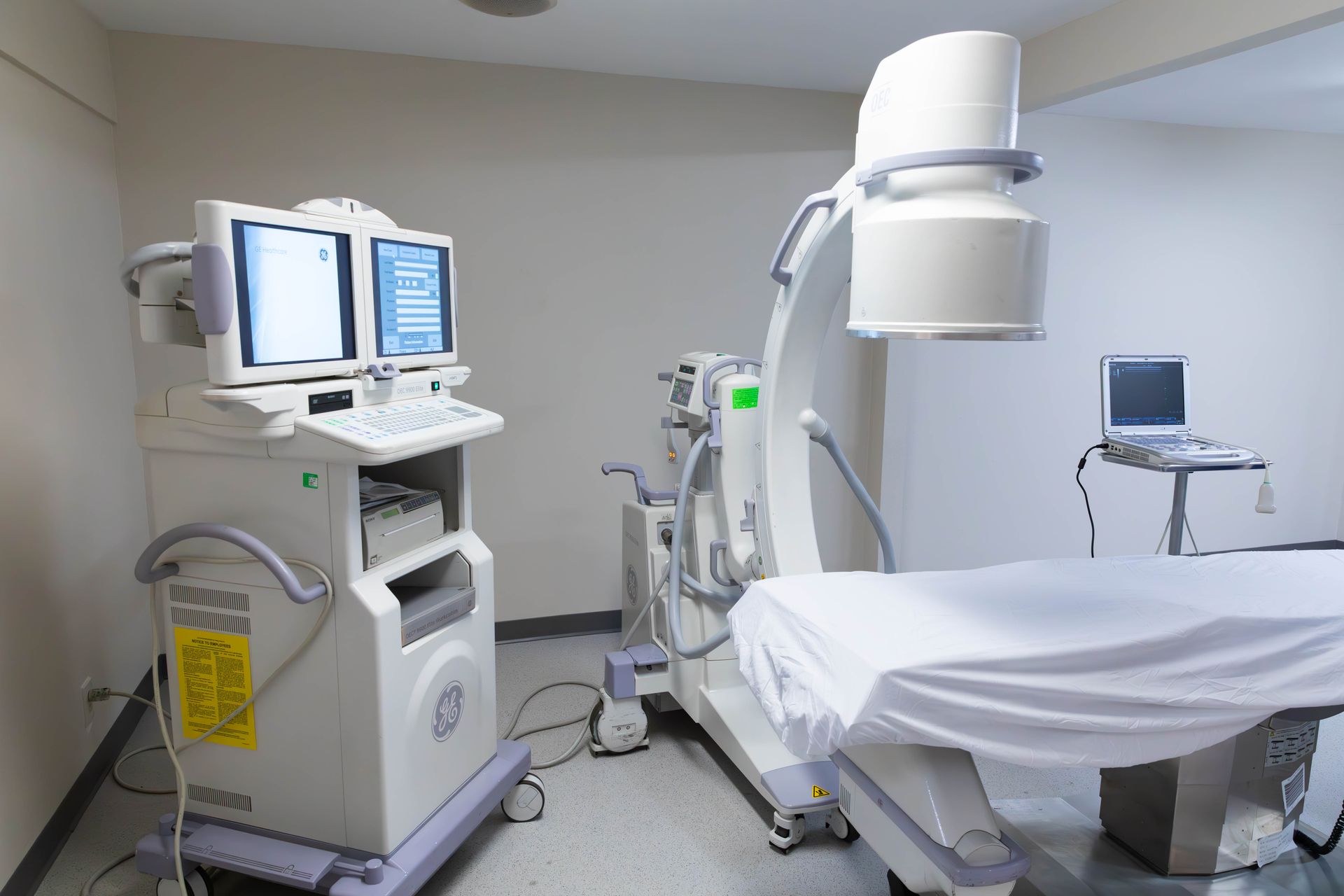
Medical imaging room with a CT scanner, monitor carts, and an examination table covered in white sheets.
August 28, 2026
Discover if open artery surgery or a minimally invasive leg treatment is best for you when an artery in the leg becomes narrowed or blocked.
July 1, 2026
A patient with a dying leg won't drive 20 miles for care. In Devin Zarkowsky's town, that's not a hypothetical. Vascular surgeon Devin Zarkowsky runs a solo office-based practice in a San Diego County town where peripheral arterial disease patients had nowhere local to go, and Jason McKittrick is the executive director of the Office-Based Facility Association. They discuss the KevinMD article "Why local care matters for peripheral arterial disease." You will hear how the Medicare physician fee schedule pays hospitals for big-ticket equipment but pays solo doctors out of the same bundled rate they use to cover staff and wire and drapes, why a four-figure atherectomy or Shockwave catheter swallows a week of revenue when there is no separate reimbursement, and why Congress is finally looking at fixing it after years of small fixes that did not close the gap. You will hear what local care actually means when a patient cannot drive and the limb cannot wait.
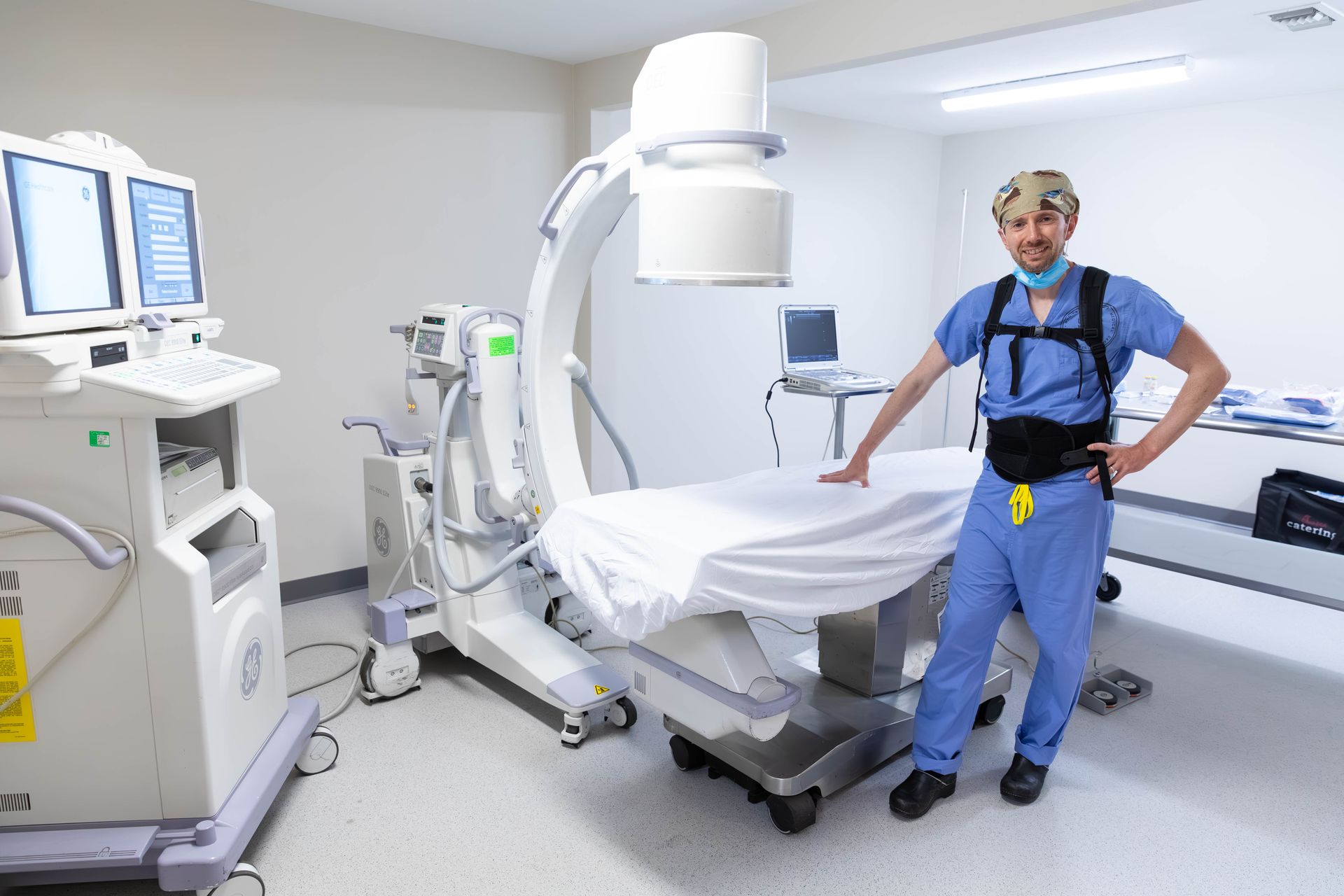
Doctor standing beside a medical imaging scanner in a hospital room
June 28, 2026
Learn how hemorrhoid embolization treats hemorrhoids without the risk of post-operative fecal incontinence associated with traditional hemorrhoid surgery.
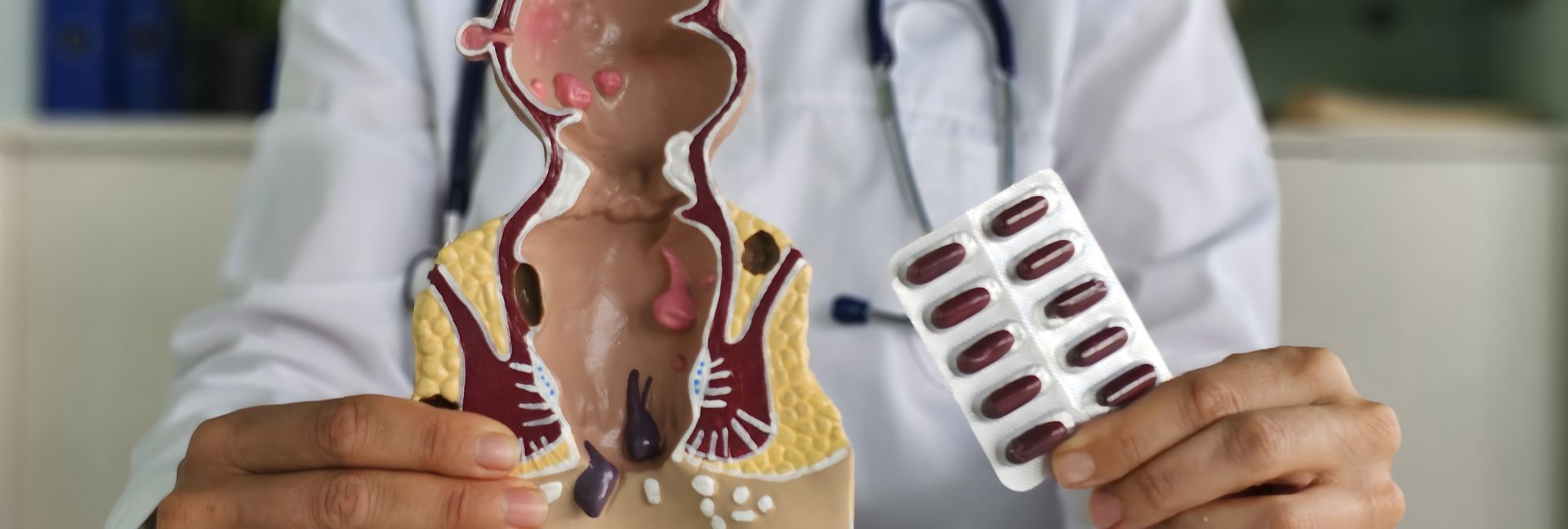
Doctor holding a human anatomy model and a blister pack of pills
May 30, 2026
Learn which doctors treat hemorrhoids, including primary care physicians, gastroenterologists, colorectal surgeons, and specialists offering hemorrhoid embolization.
Person working on a laptop at a wooden table in a bright home office by a window.
April 27, 2026
Learn how office workers can improve vascular health with simple daily habits to boost circulation, prevent vein issues, and stay healthy at work.
A healthcare provider in blue gloves uses a handheld Doppler ultrasound device to check the pulse on a patient’s ankle.
March 30, 2026
Learn the signs, causes, and treatment options for chronic venous insufficiency (CVI) and how expert care can relieve leg pain and swelling.
February 13, 2026
Hemorrhoids are extremely common, yet many people don’t realize that everyday habits play a major role in both their development and recurrence. While not all hemorrhoids can be prevented, certain lifestyle adjustments can significantly reduce your risk and help minimize uncomfortable flare-ups. Understanding these preventative strategies is especially important for patients who experience recurring symptoms. Why Do Hemorrhoids Develop? Hemorrhoids form when pressure increases in the veins of the lower rectum. Over time, this pressure can cause veins to swell, stretch, and become irritated. Several factors contribute to this process, including: Straining during bowel movements Chronic constipation Prolonged sitting Low-fiber diets Pregnancy Aging-related vein changes Although hemorrhoids are a vascular condition, many triggers are manageable. Increase Fiber Intake One of the most effective ways to prevent hemorrhoids is to improve stool consistency. Fiber helps soften stool and promotes regular bowel movements, reducing the need for straining. Helpful sources of dietary fiber include: Fruits and vegetables Whole grains Legumes Fiber supplements when needed A gradual increase is recommended to avoid digestive discomfort. Stay Properly Hydrated Fiber works best when combined with adequate fluid intake. Dehydration can contribute to harder stools, increasing pressure on rectal veins. Consistent hydration helps: Maintain softer stool Improve digestive efficiency Reduce constipation risk Avoid Straining During Bowel Movements Straining is one of the most significant contributors to hemorrhoid formation. Excessive pressure directly stresses the rectal veins. Healthier habits include: Responding promptly to the urge to go Avoiding prolonged sitting on the toilet Allowing bowel movements to occur naturally Limit Prolonged Sitting Extended sitting — particularly on hard surfaces — increases pressure in the rectal region. This is especially relevant for individuals with sedentary occupations. Helpful strategies: Take standing or walking breaks Adjust seating ergonomics Reduce unnecessary toilet time Maintain Healthy Bowel Habits Irregular bowel patterns often increase hemorrhoid risk. Supporting digestive regularity reduces vascular strain. Supportive practices include: Consistent meal schedules Physical activity Fiber-rich nutrition Reduce Flare-Up Triggers For patients prone to recurrent hemorrhoids, symptom triggers may include: Heavy lifting Chronic coughing Constipation cycles Pregnancy-related pressure Identifying and managing triggers can help prevent symptom escalation. When Is Hemorrhoid Prevention Not Enough? While lifestyle modifications are highly effective for many patients, they do not eliminate existing hemorrhoids or advanced vascular changes. Medical evaluation may be appropriate if you experience: Persistent bleeding Ongoing discomfort Recurring flare-ups Painful swelling Hemorrhoids that do not respond to conservative care often benefit from minimally invasive treatments. A Preventative Approach to Long-Term Hemorrhoid Relief Hemorrhoid prevention is largely about reducing pressure and supporting healthy circulation. Small daily adjustments can produce meaningful improvements, particularly for patients with early or mild symptoms. For individuals with chronic or worsening hemorrhoids, specialized care can address the underlying vascular cause and provide lasting relief.
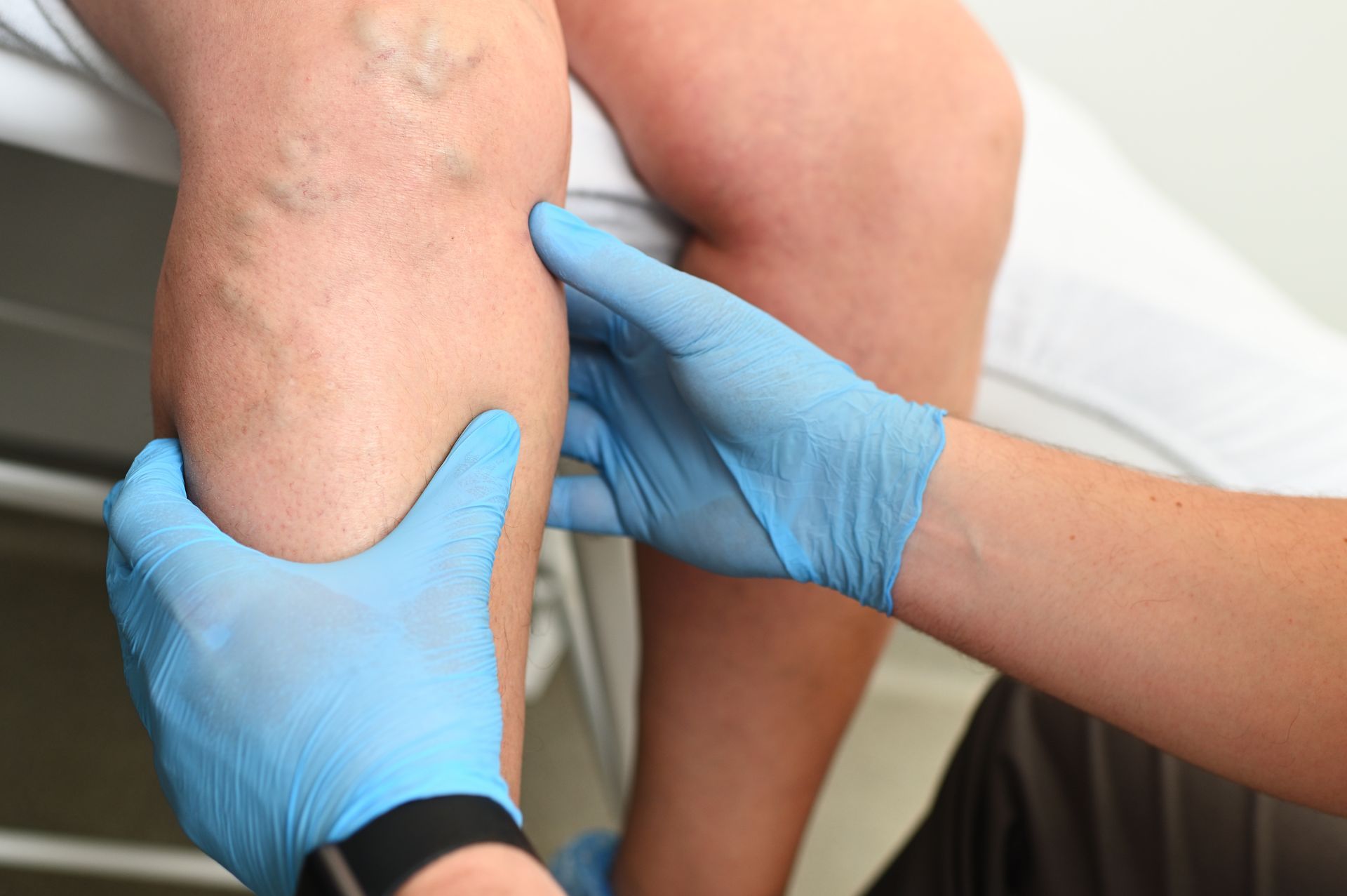
Leg being examined for varicose veins by a person wearing blue gloves.
January 22, 2026
Learn the signs, causes, and treatment options for Peripheral Artery Disease (PAD). Early diagnosis helps prevent serious vascular complications.